Our Services
Whether you're building new, upgrading an older home, or insulating a commercial facility anywhere across Northwest Arkansas, K-3 Insulation has the experience and equipment to get it done right. We handle residential and commercial projects of every size while staying on time, on budget, and built to last.
Comfortable, Energy-Efficient Homes Start with the Right Insulation
Whether you're building new, renovating, or just tired of rooms that never feel the right temperature, residential insulation is one of the highest-ROI upgrades you can make to your home. We assess your attic, walls, crawlspace, and basement to identify gaps, then install the right material and R-value for each area.
What's Included:
- Attic insulation (batt, blown-in, or spray foam)
- Wall cavity insulation for new builds and retrofits
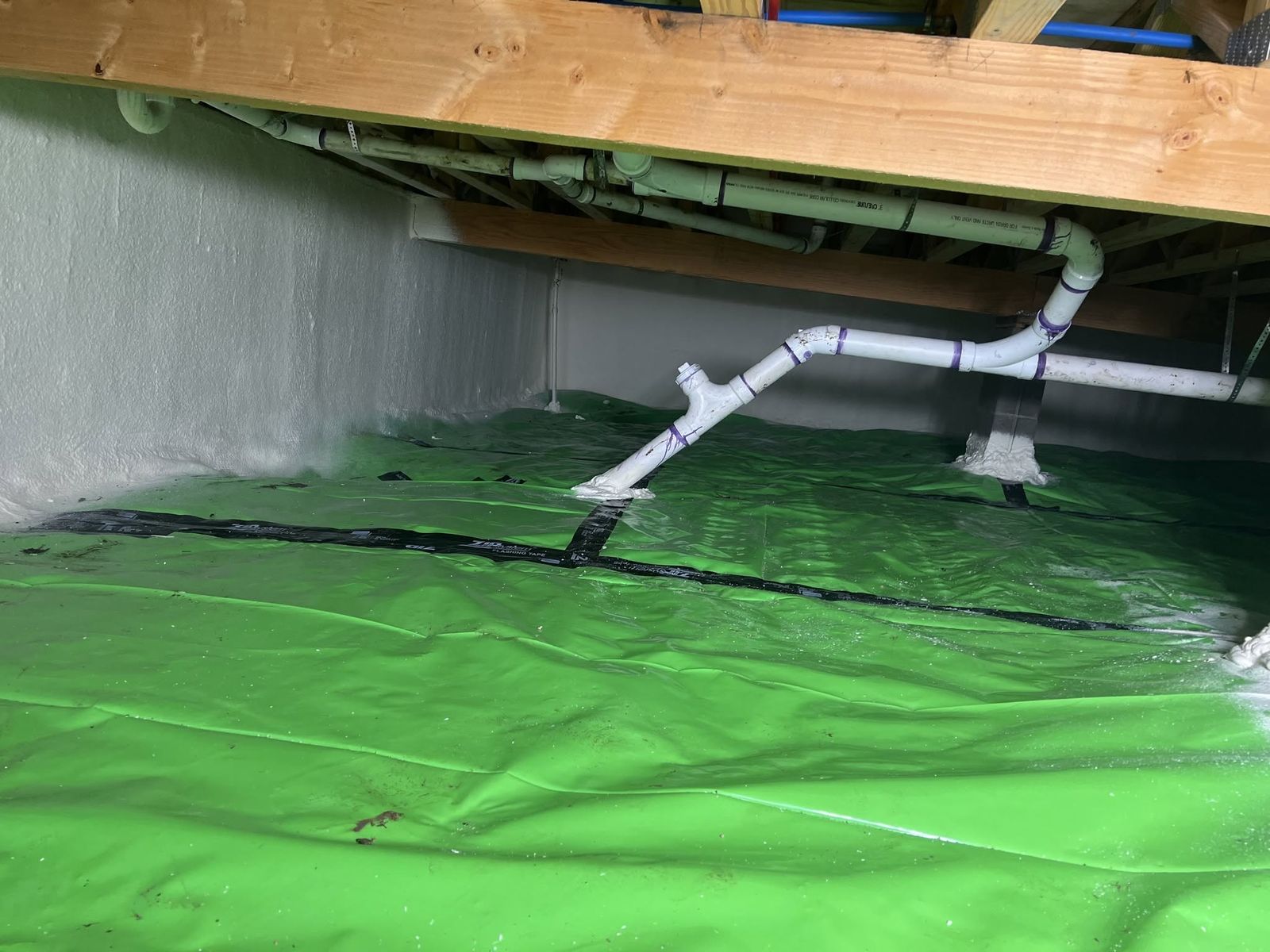
- Crawlspace and basement insulation
- Air sealing around penetrations, sill plates, and ductwork
- Vapor barrier installation where needed
- Removal of old, damaged, or contaminated insulation
Signs You Need an Upgrade:
- Uneven temperatures between rooms or floors
- High heating/cooling bills relative to home size
- Drafts near outlets, windows, or baseboards
- Ice dams forming on the roof in winter
- Visible gaps, compression, or rodent damage in attic insulation
- An older home that's never been re-insulated
Why It Matters: Properly insulated homes can reduce heating and cooling costs significantly, reduce strain on HVAC systems, and improve indoor air quality by limiting moisture intrusion.
Schedule a free home insulation assessment.
Insulation Solutions That Scale with Your Building
Commercial properties have different demands than residential — larger envelopes, more complex HVAC zoning, and stricter code requirements. We work with property managers, contractors, and business owners to insulate warehouses, offices, retail spaces, multi-family buildings, and industrial facilities.
What's Included:
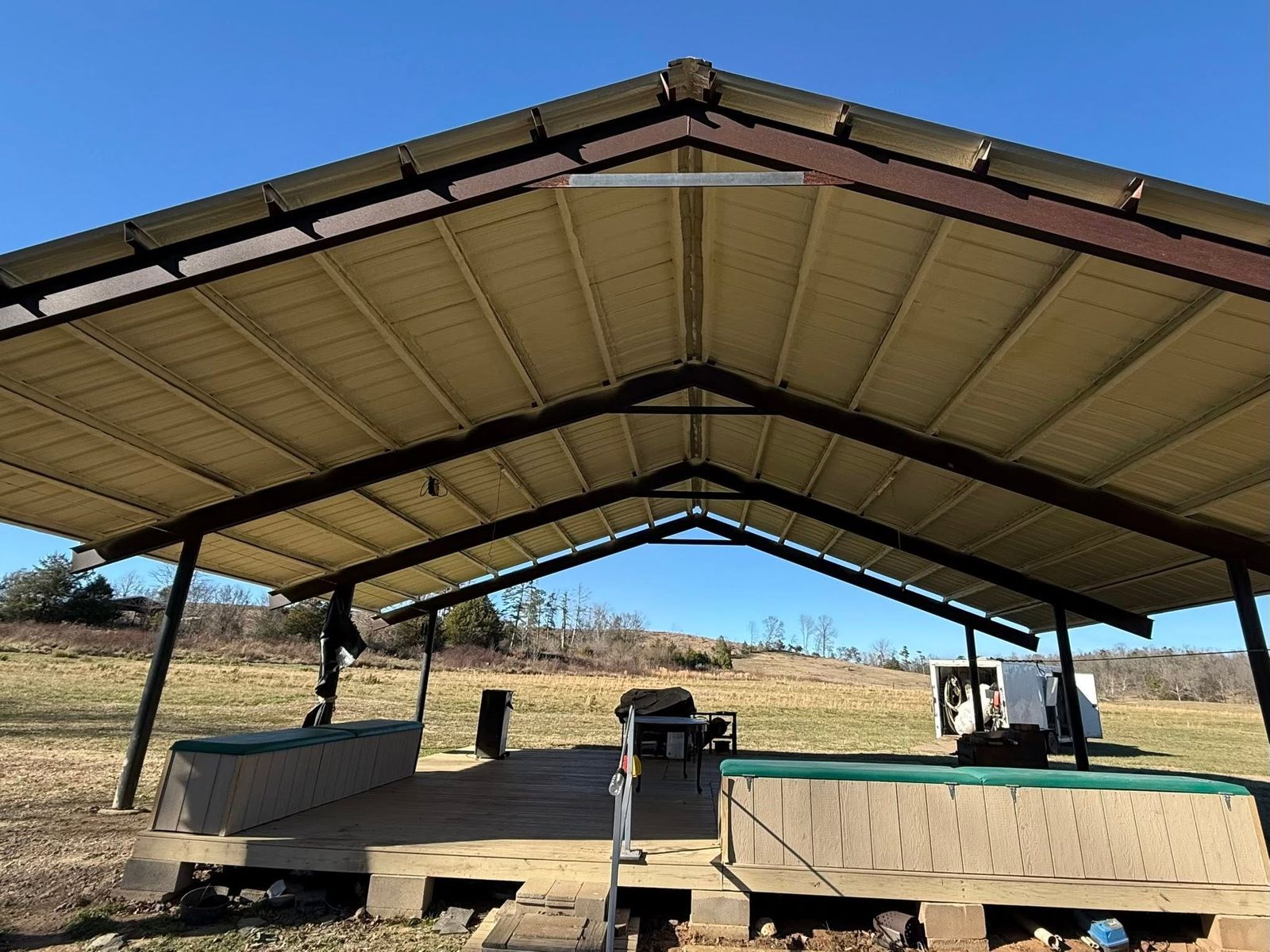
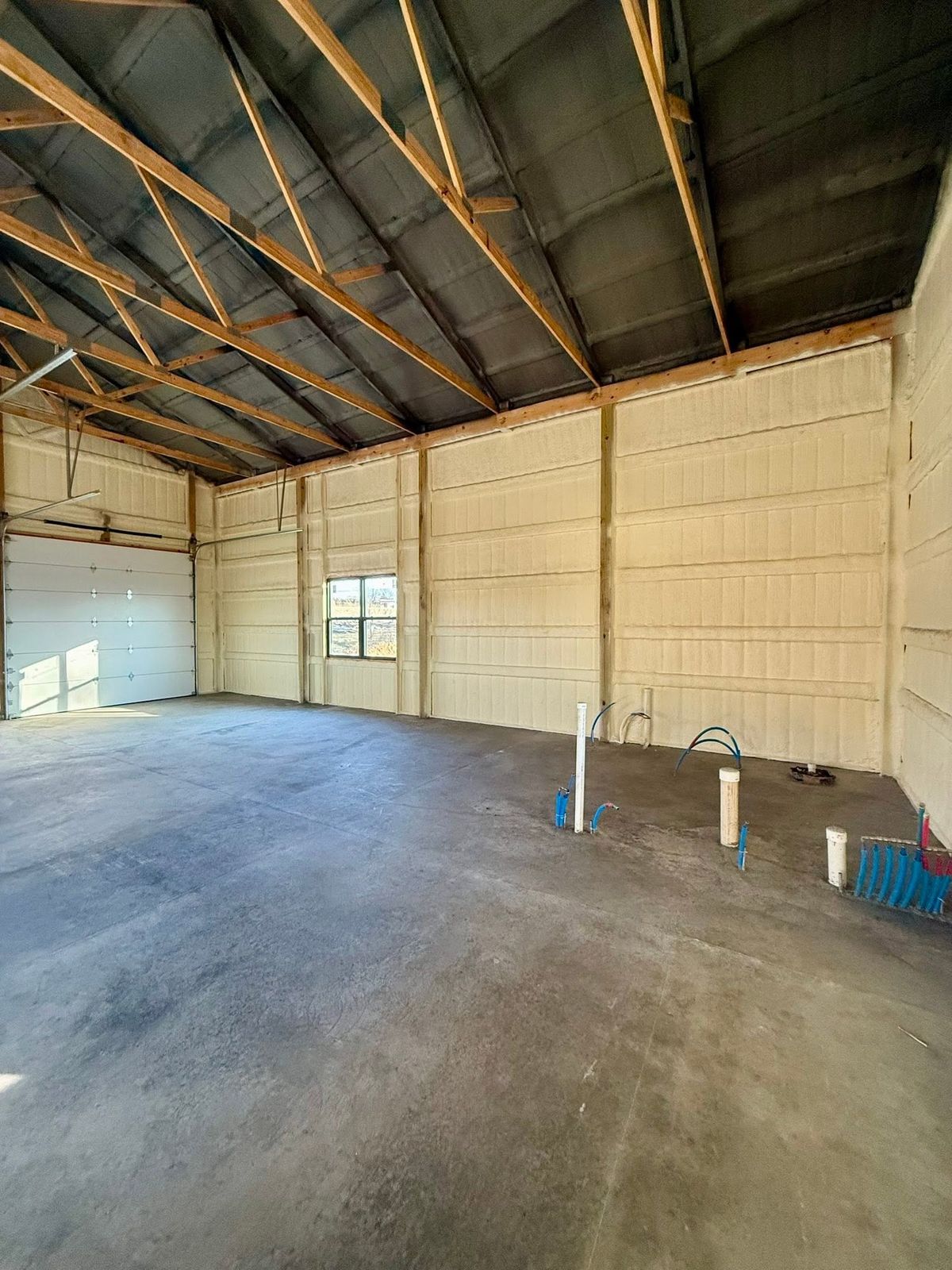
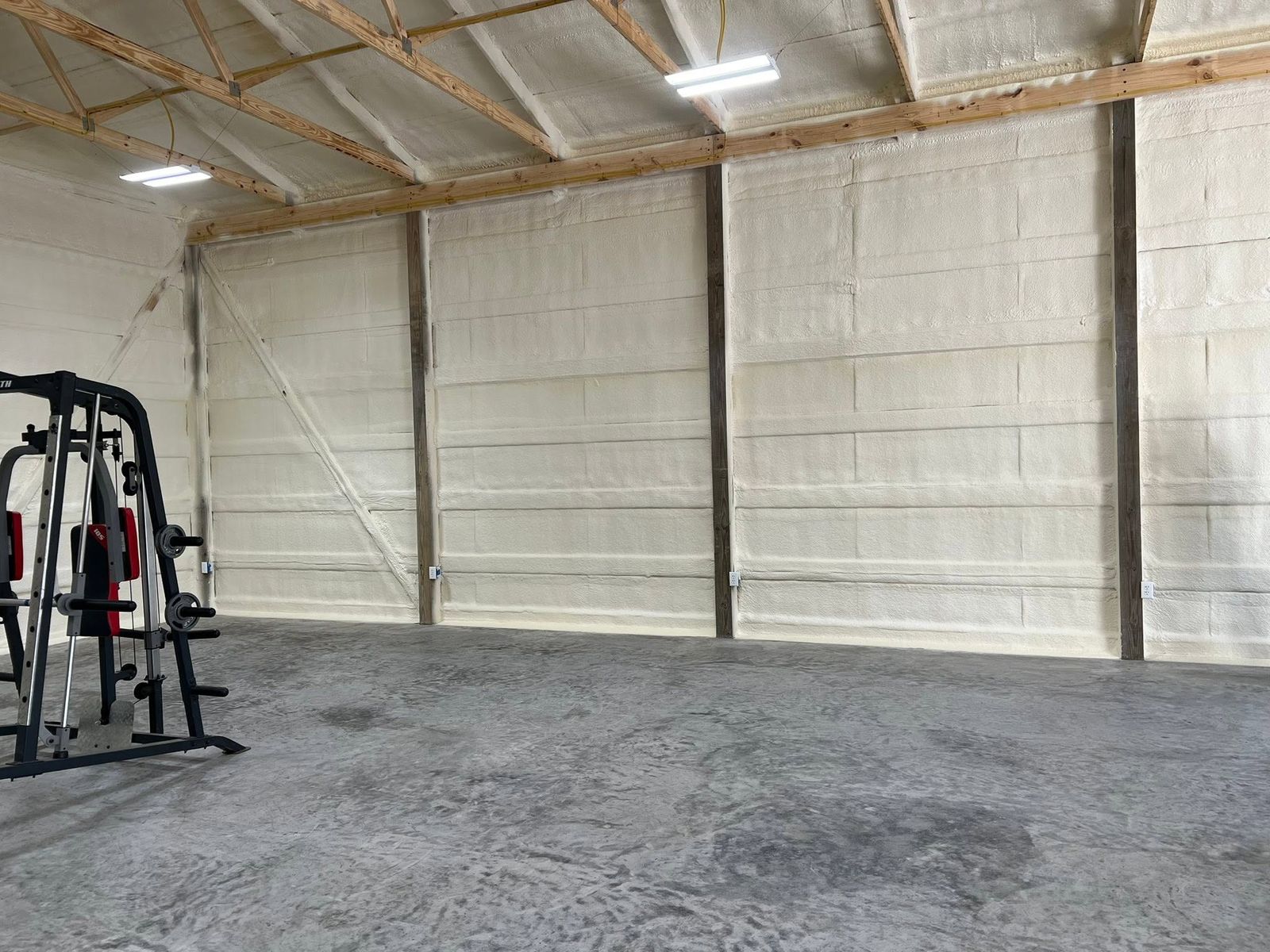
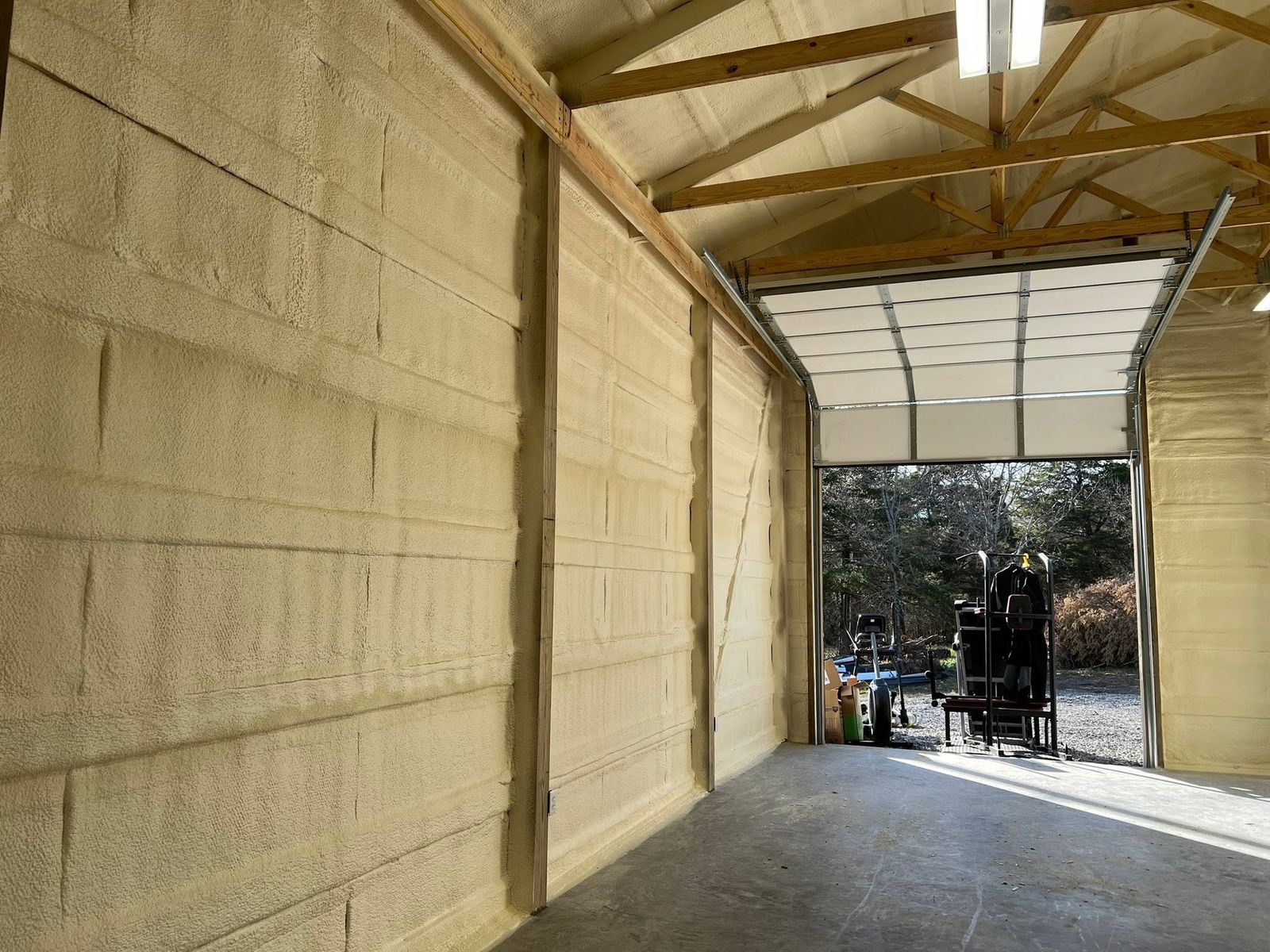
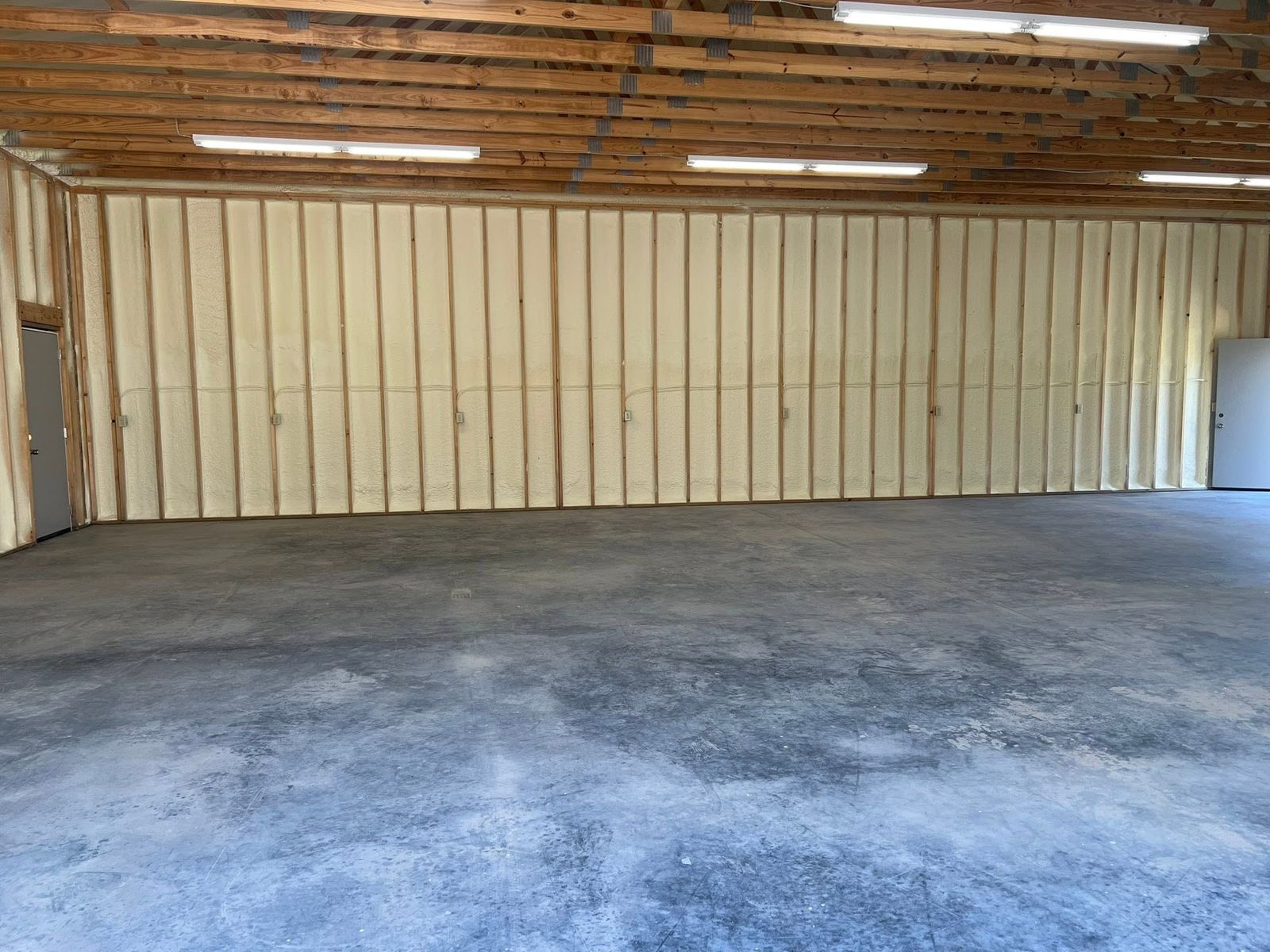
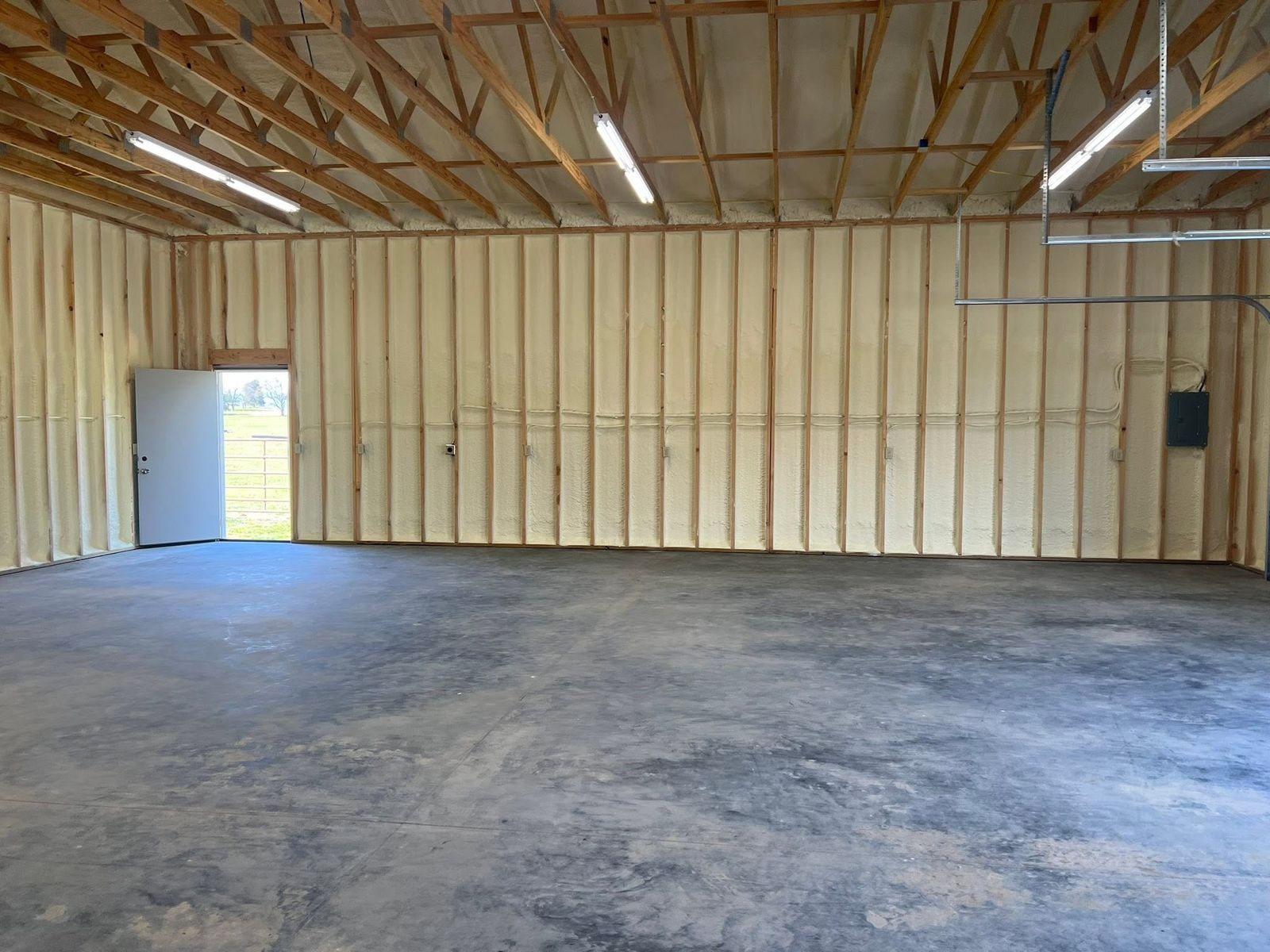
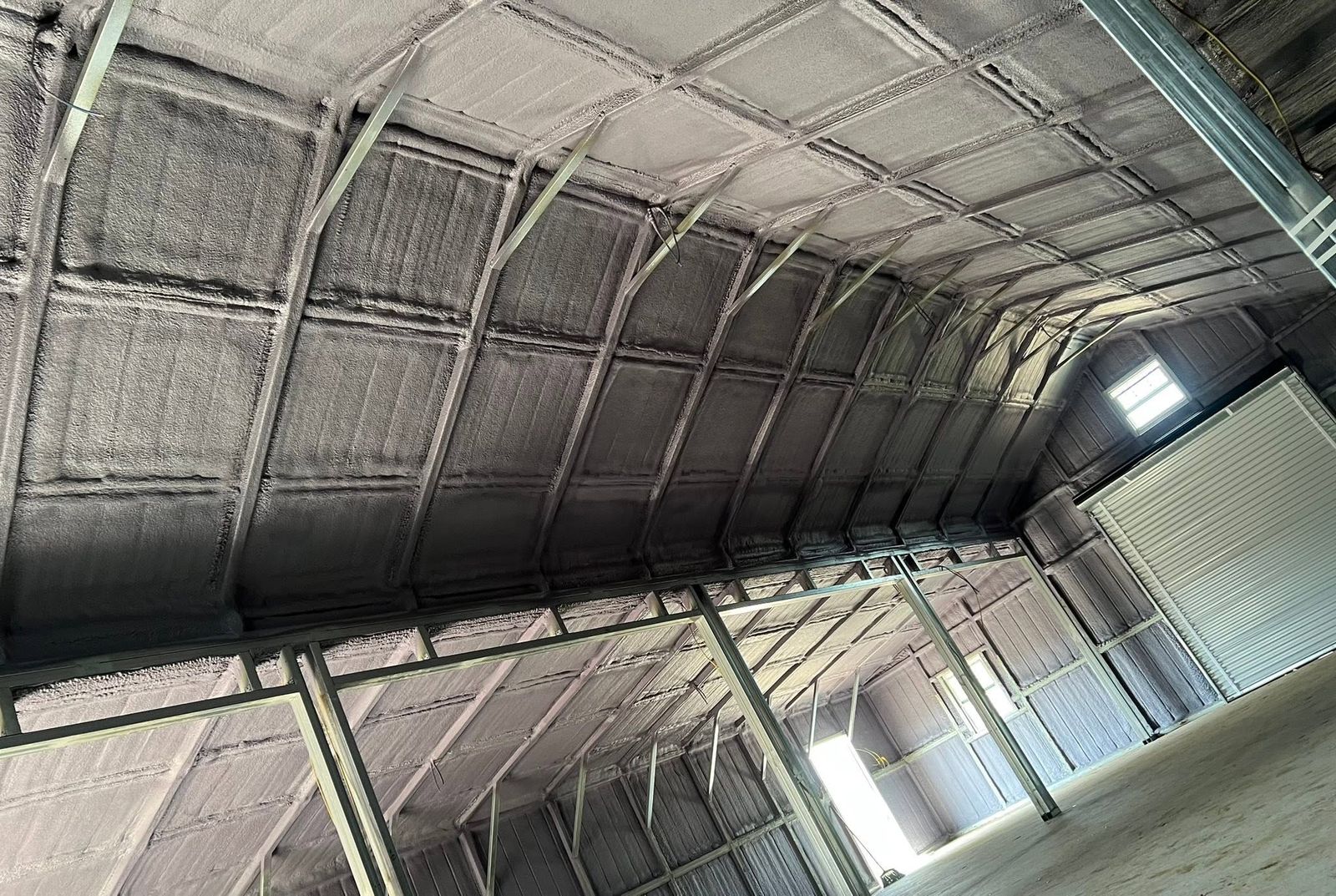
- Metal building and pole barn insulation
- Office, retail, and multi-family unit insulation
- Warehouse and industrial facility insulation
- Roof deck and ceiling insulation
- Mechanical room and ductwork insulation
- Code-compliant insulation for new construction and tenant build-outs
Why Businesses Choose Professional Insulation:
- Lower utility costs across large square footage
- More stable indoor temperatures for staff, inventory, and equipment
- Noise reduction between units or floors
- Compliance with local energy codes and inspections
- Reduced HVAC wear and maintenance costs over time
Project Types We Handle: New construction, tenant improvements, retrofits on aging buildings, and post-renovation insulation upgrades.
Request a commercial insulation estimate for your property.
Fast, Efficient Coverage for Attics and Hard-to-Reach Spaces
Blown-in insulation (cellulose or fiberglass) is one of the most effective ways to insulate attics, irregularly shaped spaces, and existing walls without major demolition. It's blown into place using specialized equipment, filling gaps and conforming to obstacles like wiring, framing, and ductwork that batt insulation can't always cover well.
What's Included:
- Attic blow-in installation (new or top-off over existing insulation)
- Dense-pack blown-in insulation for existing wall cavities (retrofit, no major wall removal needed)
- Cellulose or fiberglass material options
- Even depth-marking so you can verify R-value coverage visually
Best For:
- Attics with irregular framing or lots of obstructions
- Older homes with little to no existing insulation
- "Topping off" attics that have settled or thinned over time
- Retrofitting exterior walls without removing drywall (via small access holes)
Benefits Over Other Methods:
- Faster installation than batt insulation in large or oddly shaped attics
- Minimal disruption — most wall retrofits only require small access holes, which are patched after
- Good sound-dampening properties (especially cellulose)
Schedule a free attic assessment.
Maximum Air Sealing and Insulation in One Application
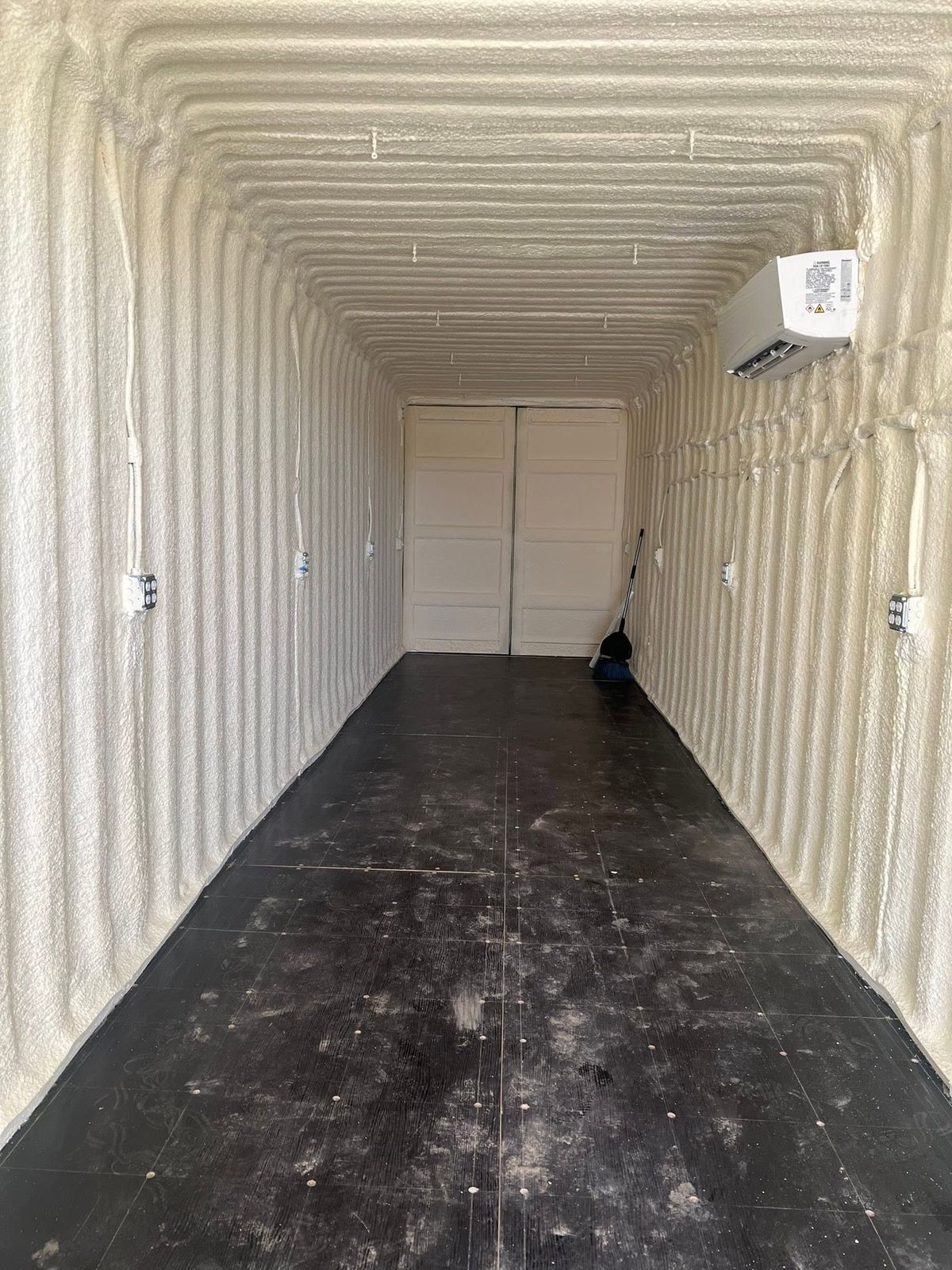
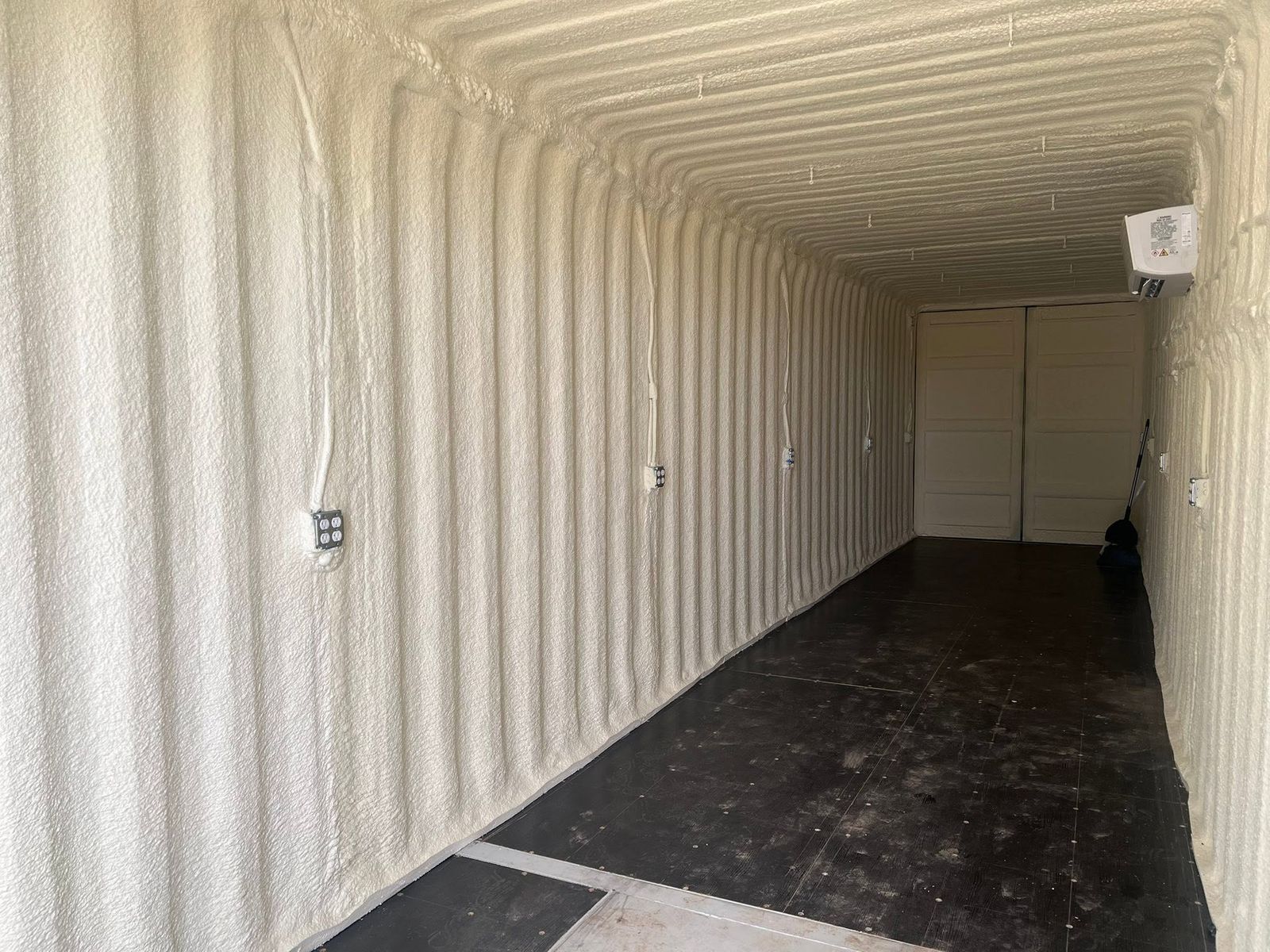
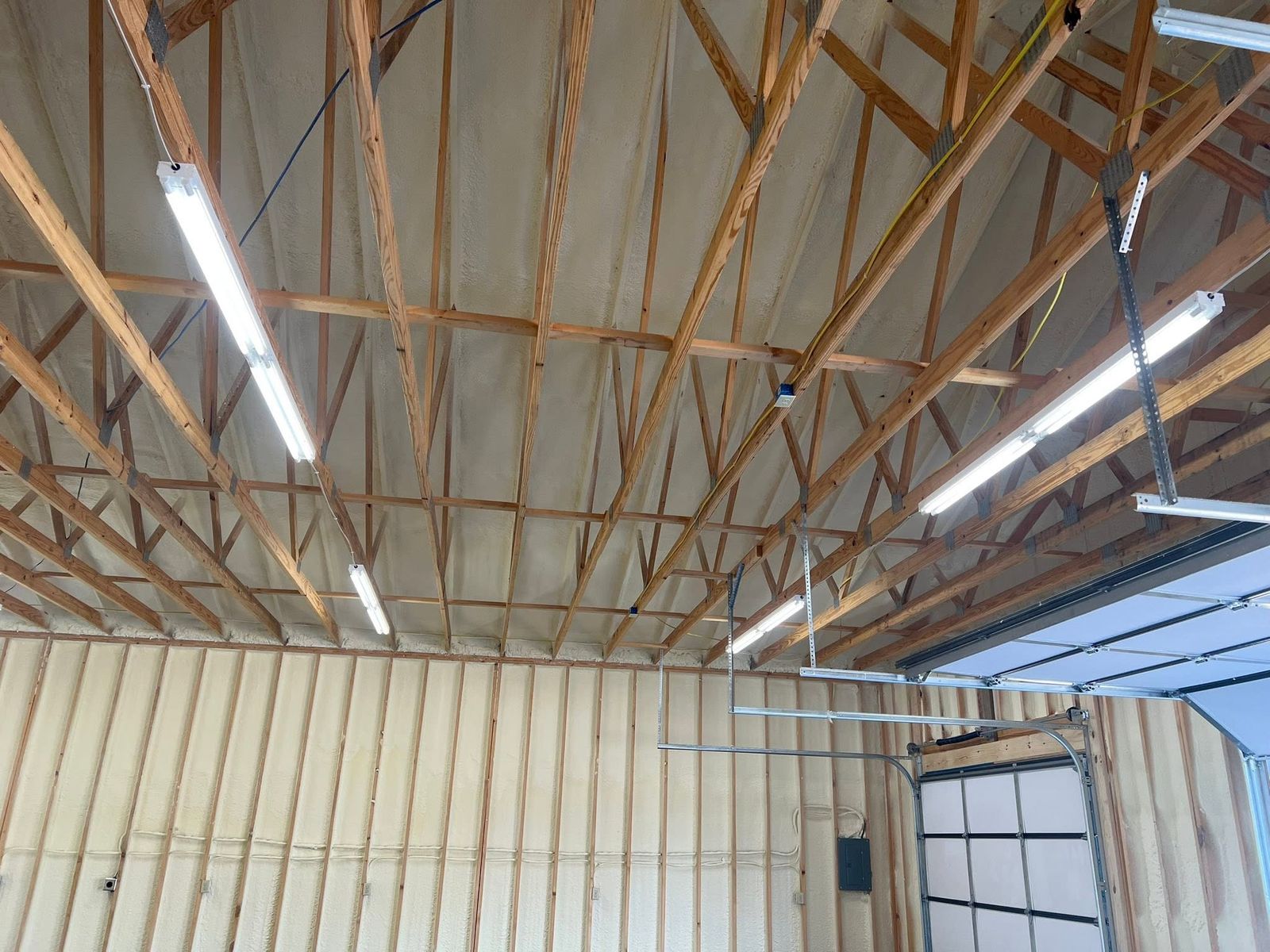
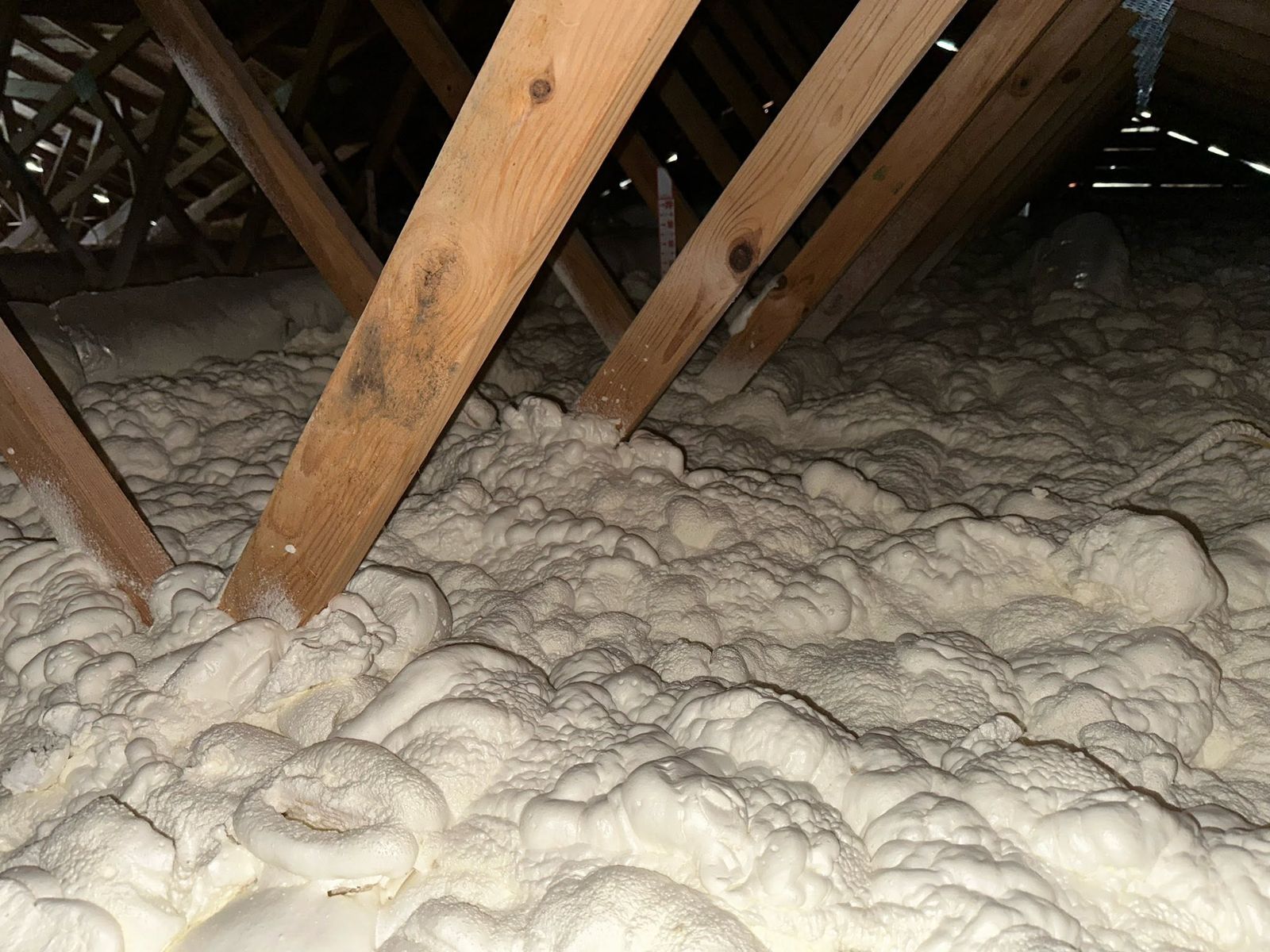
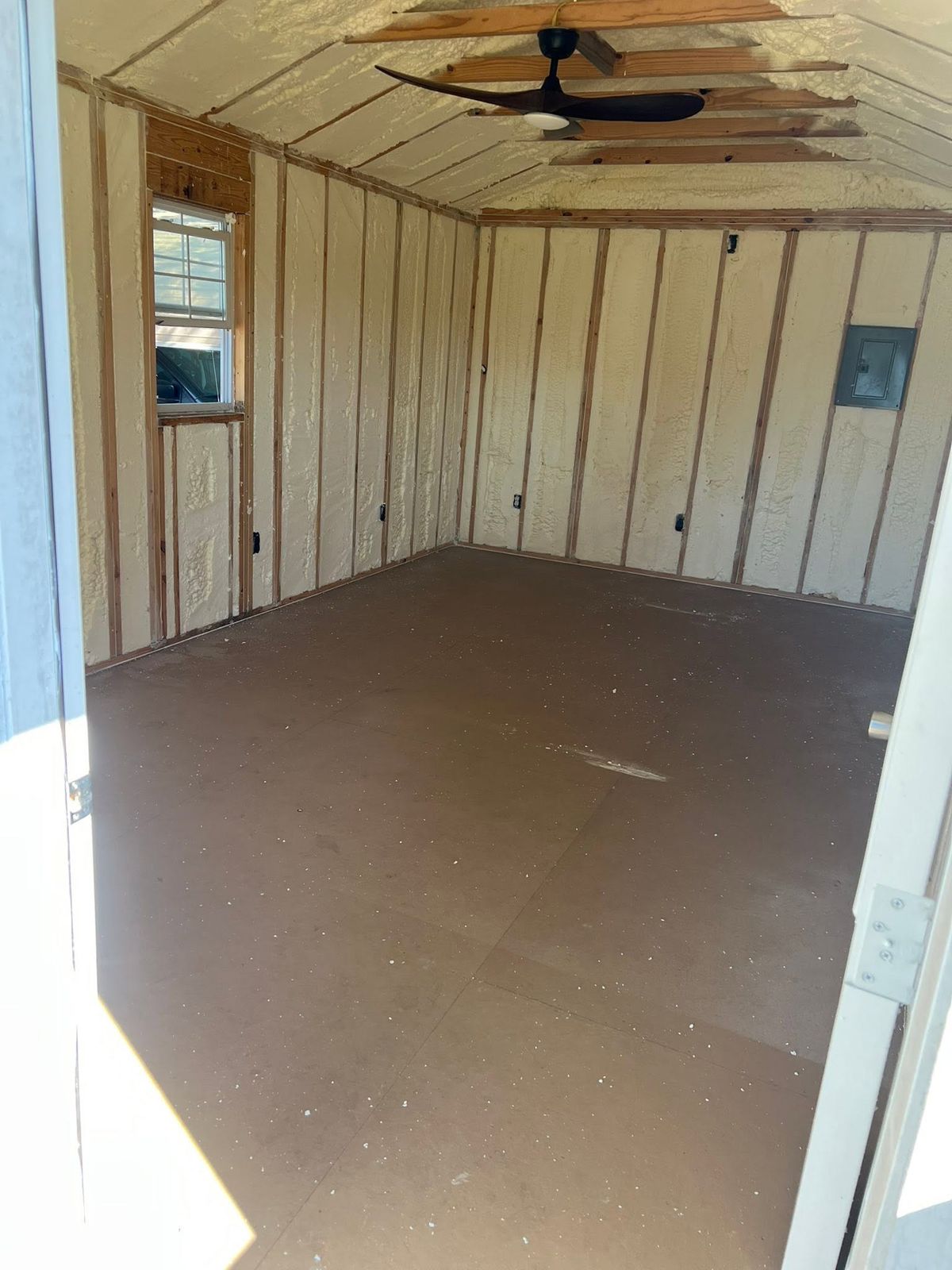
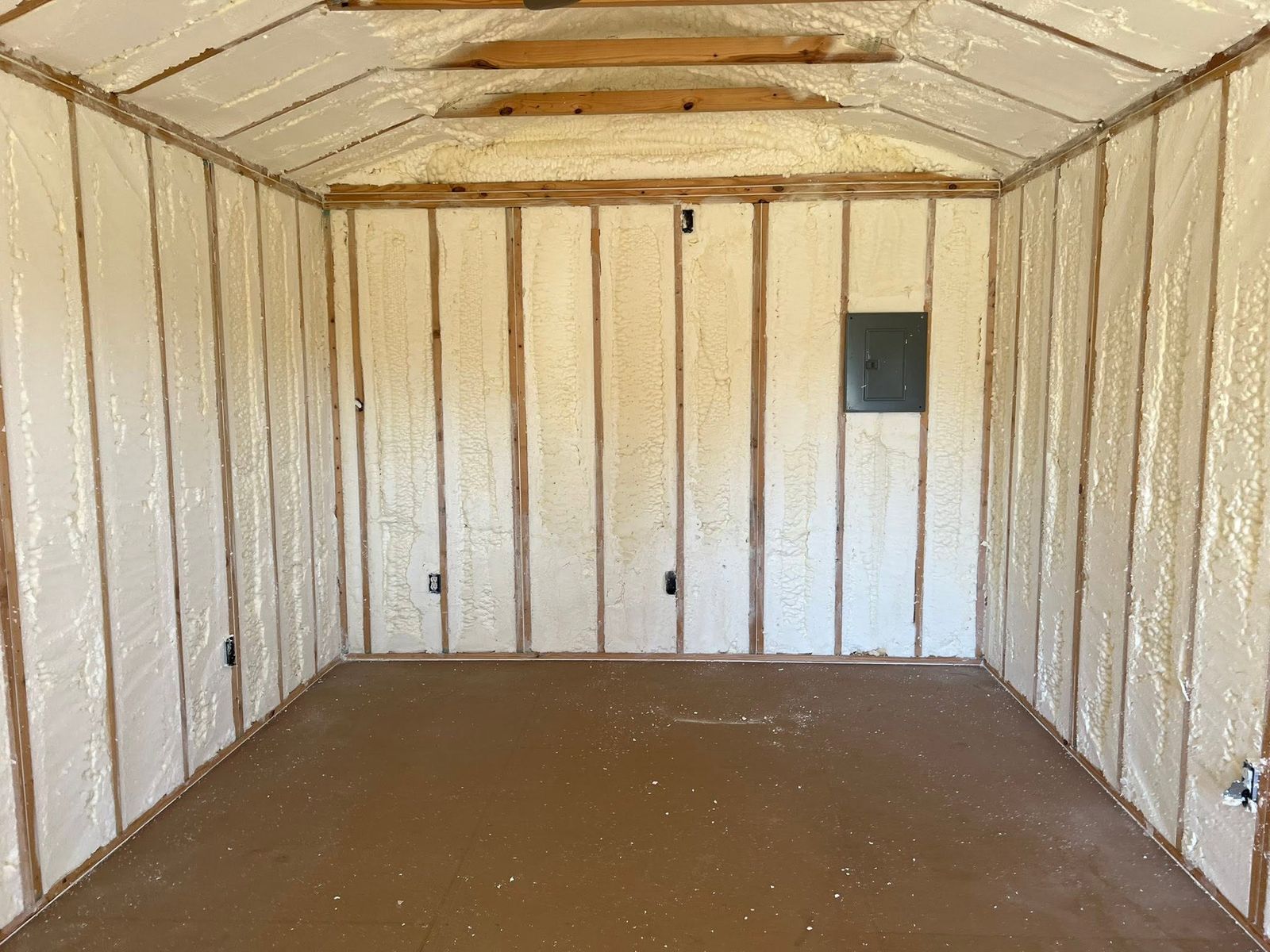
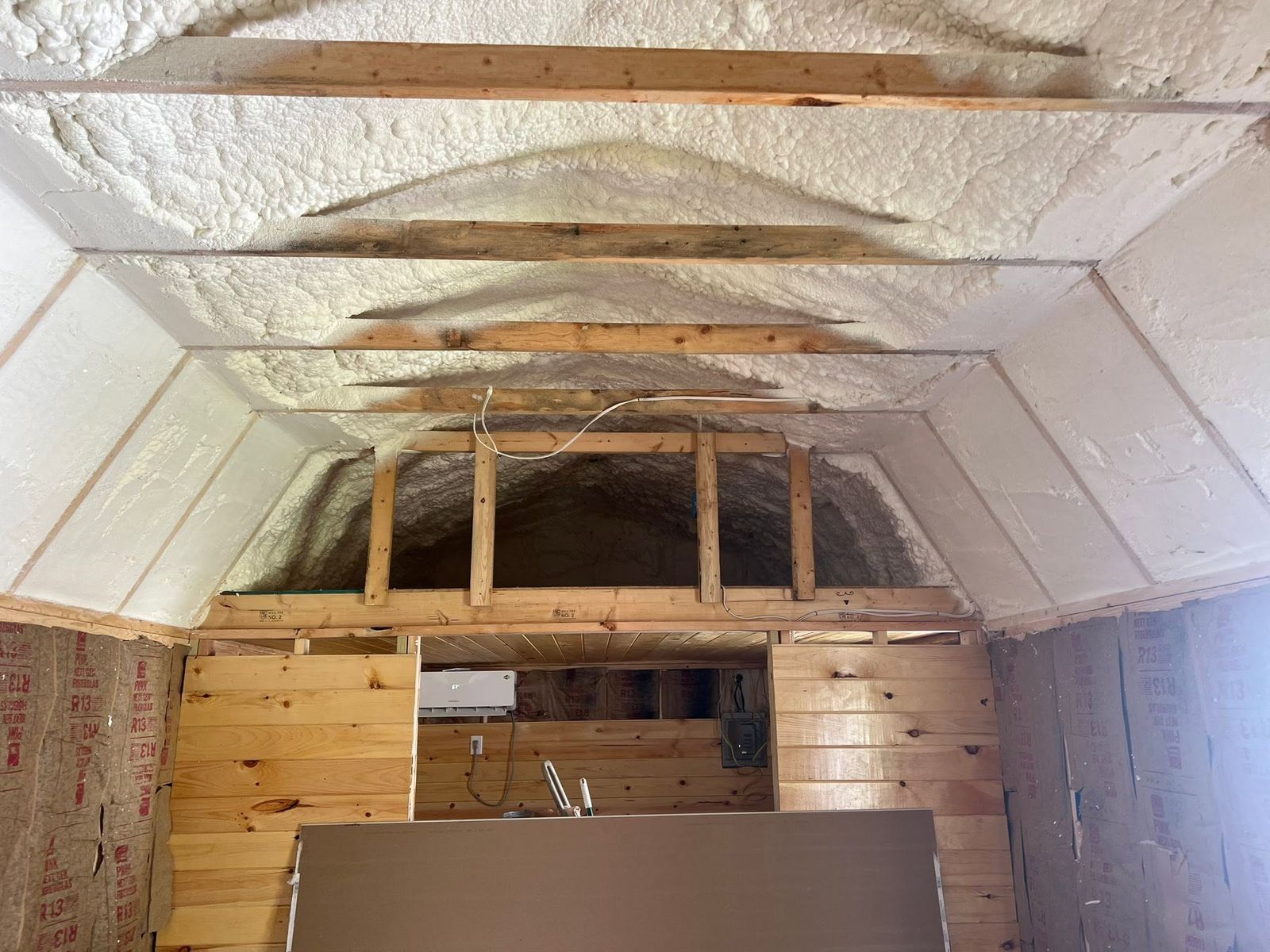
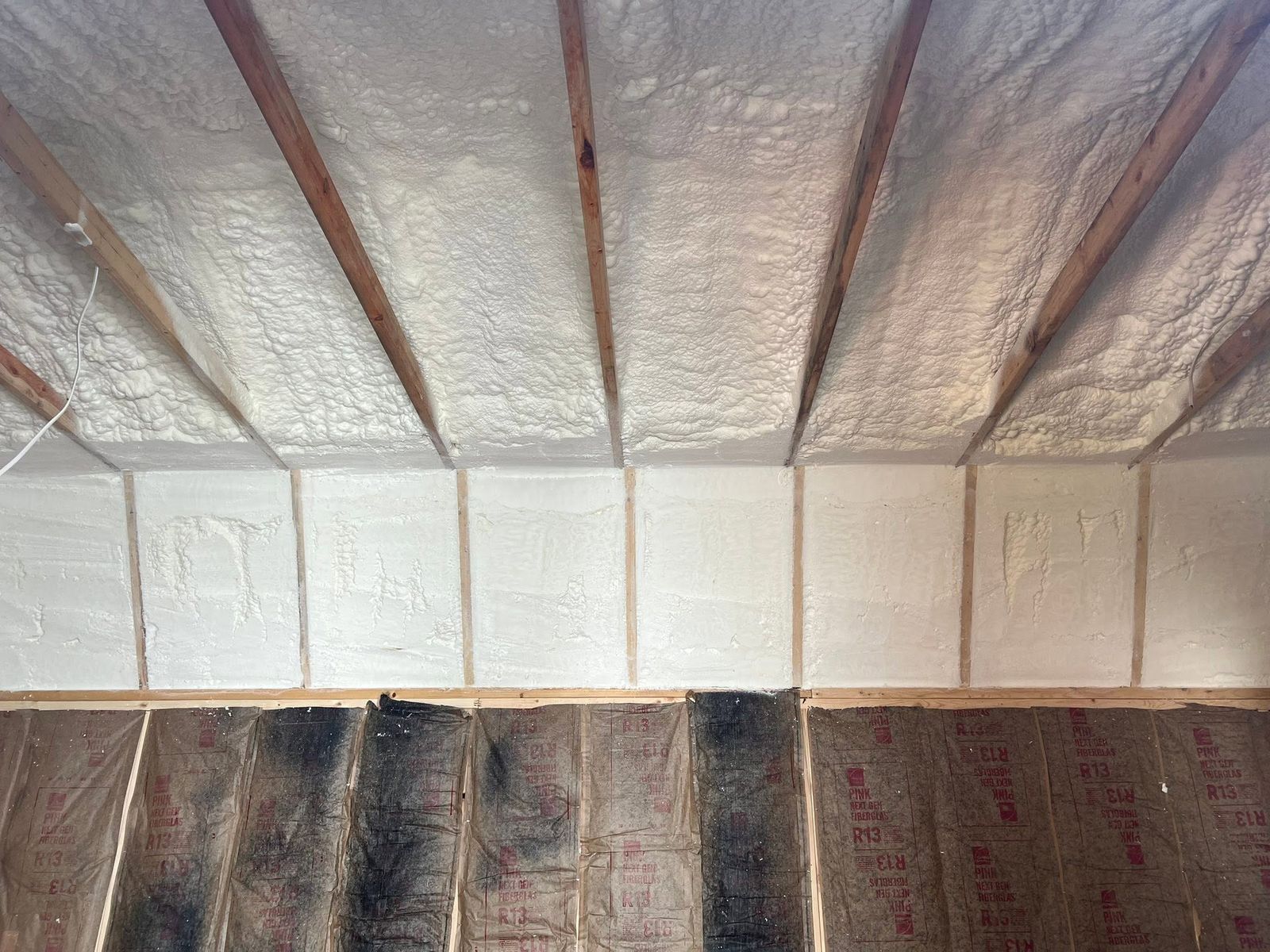
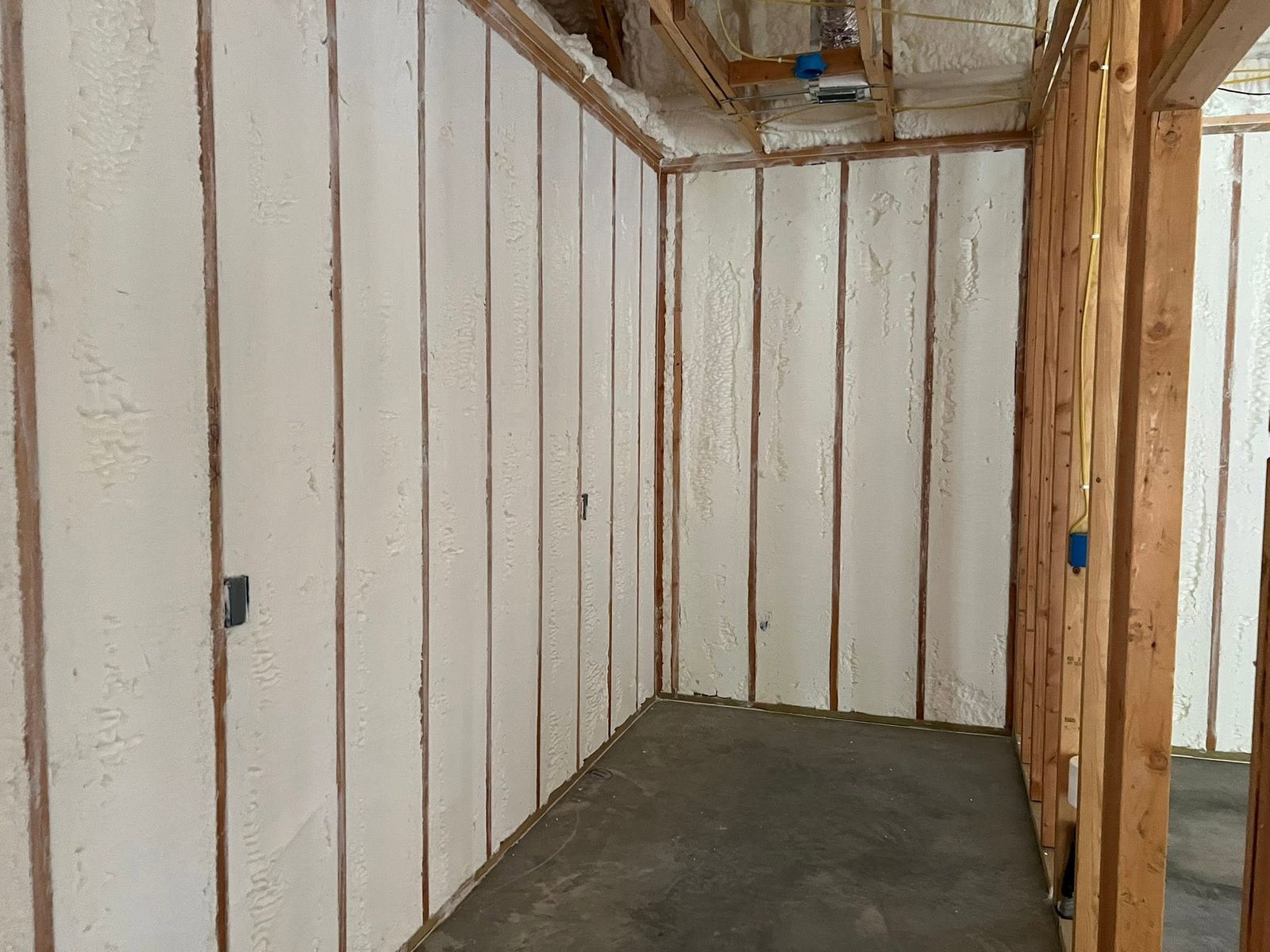
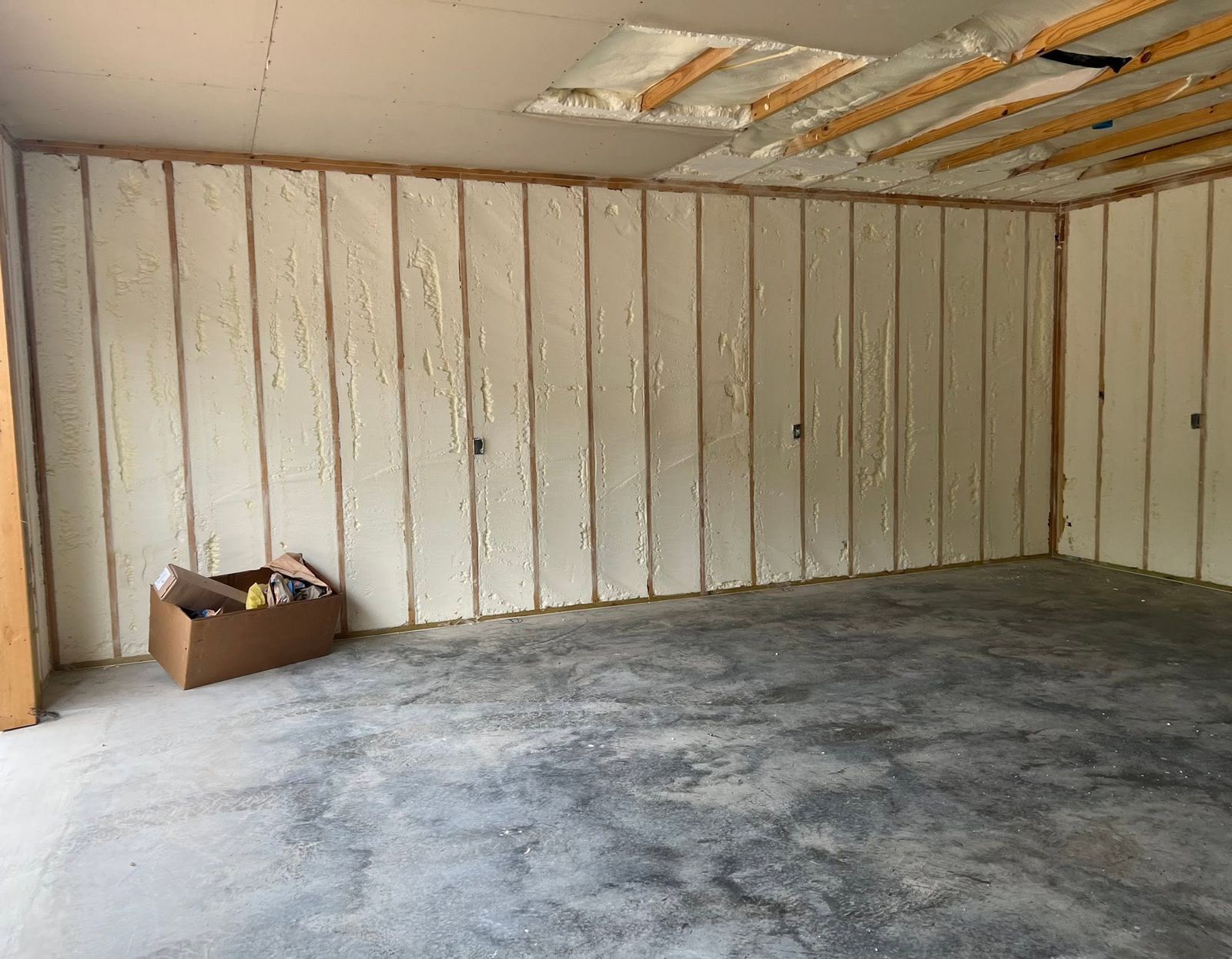
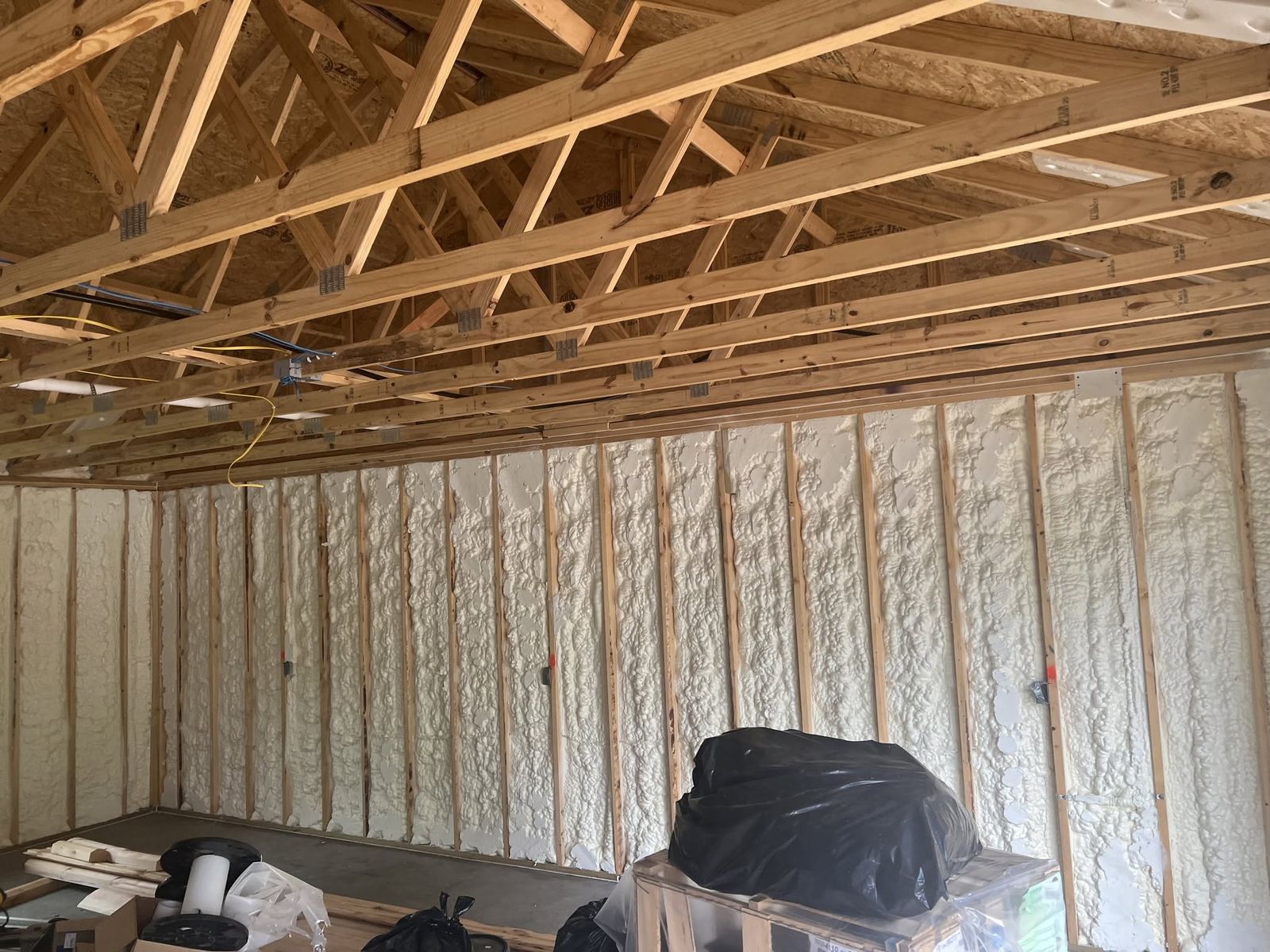
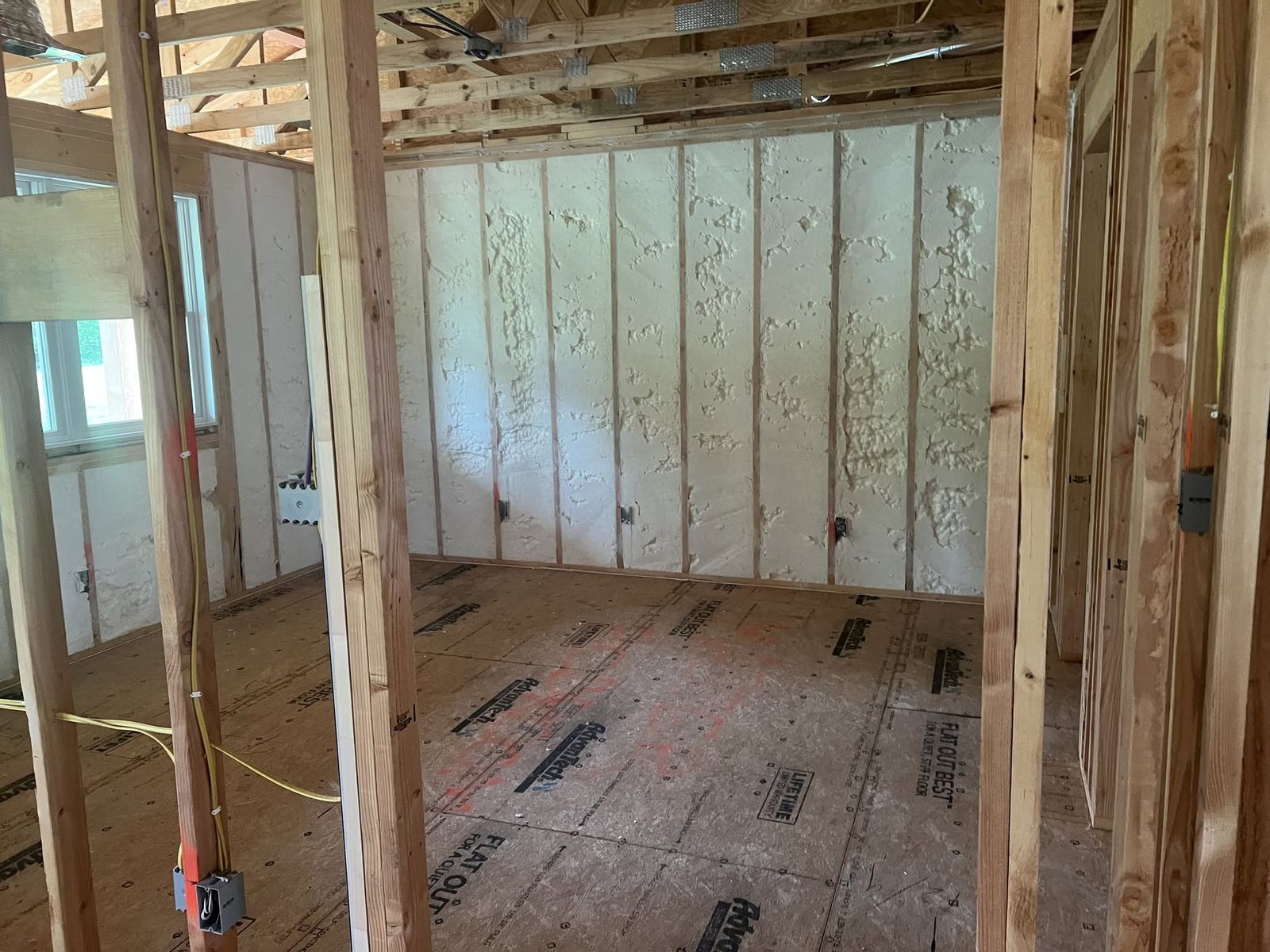
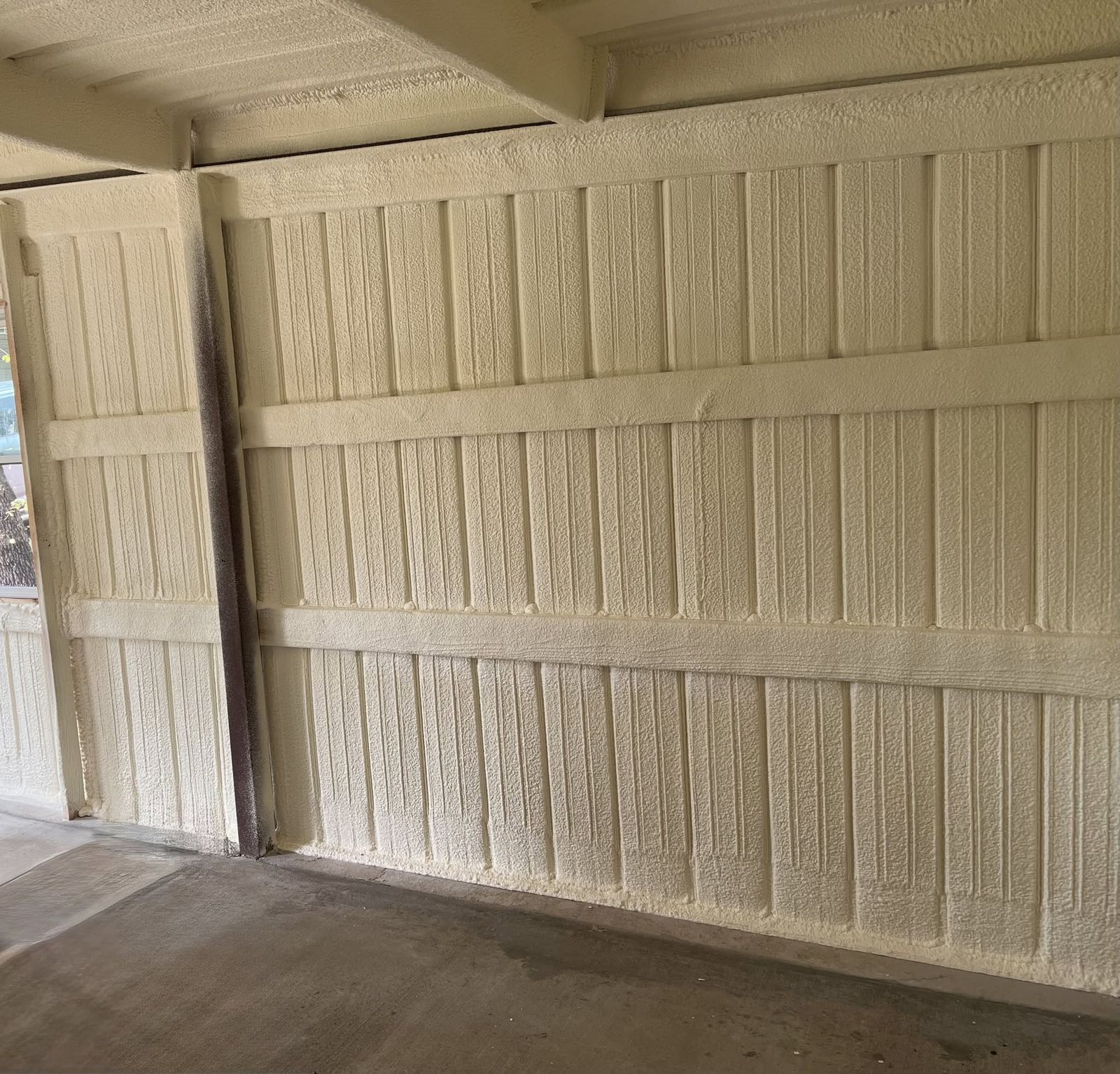
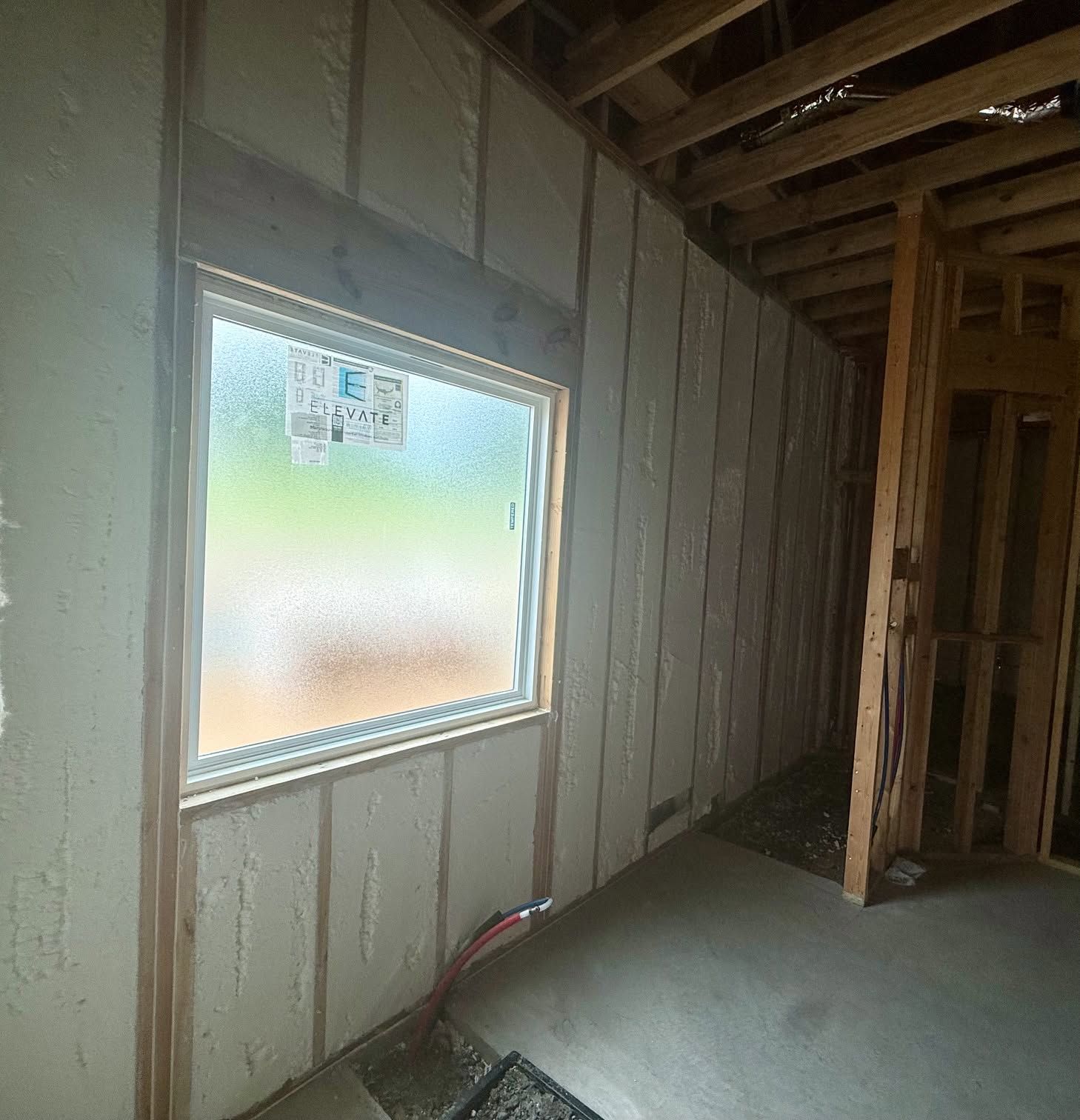
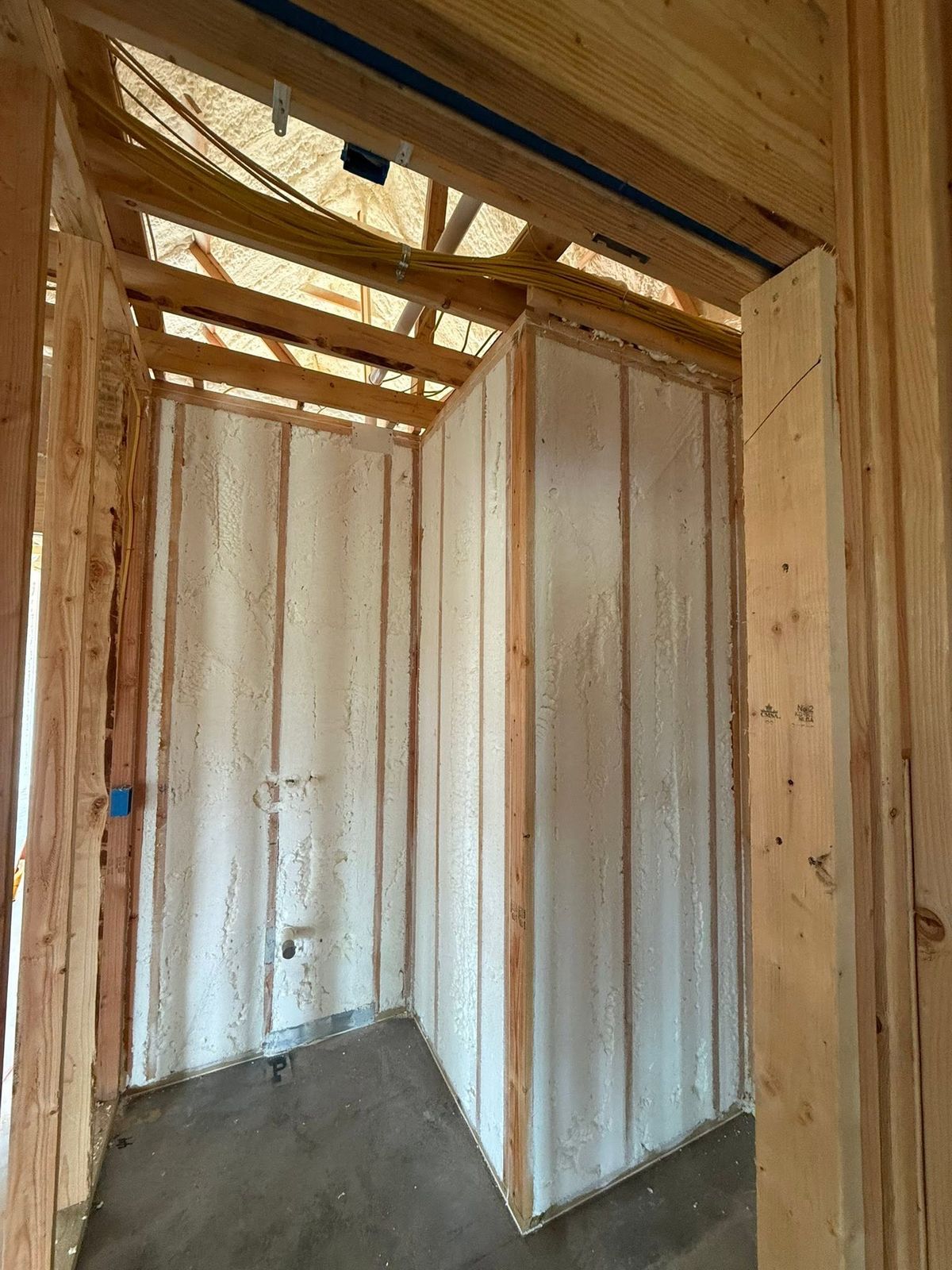
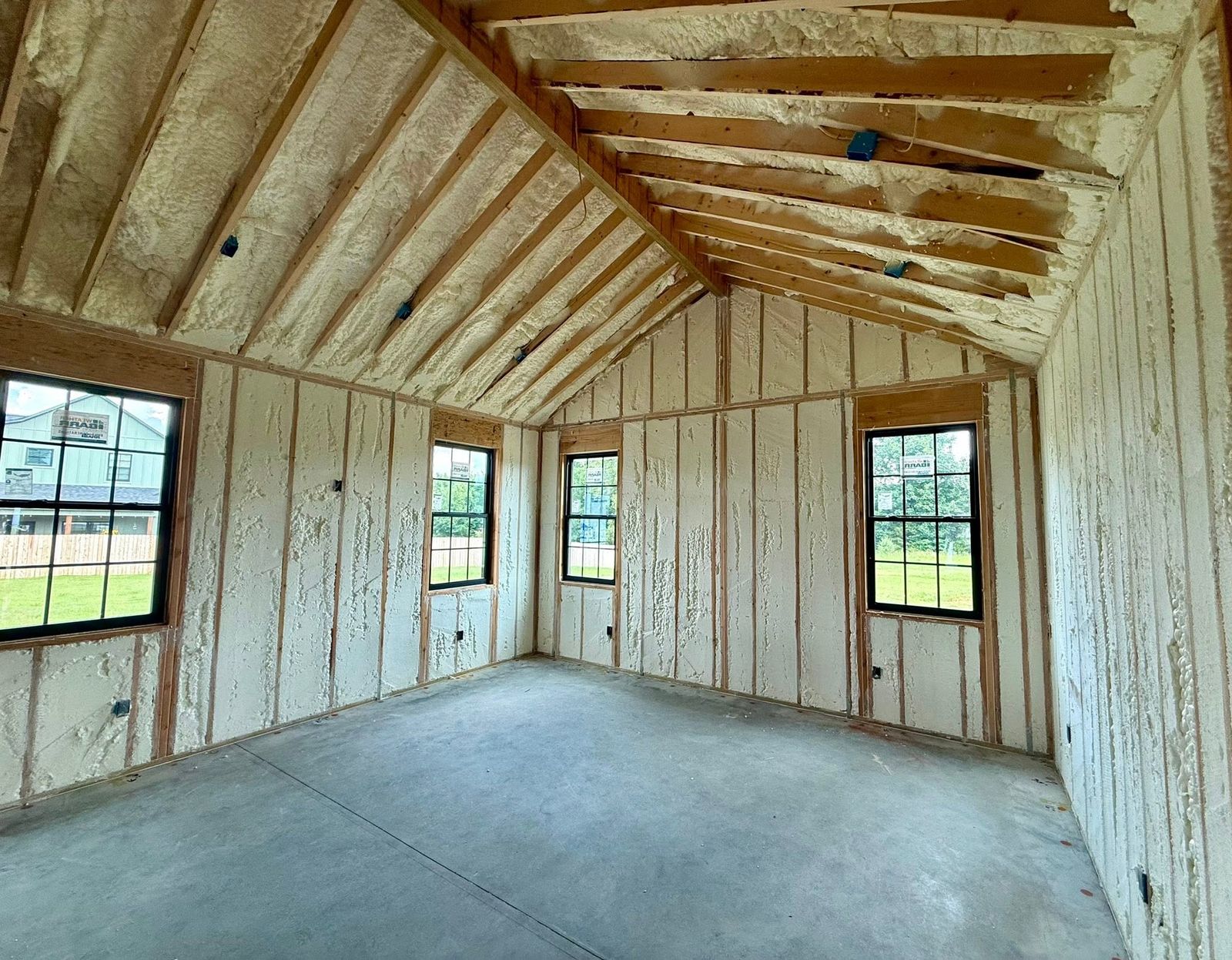
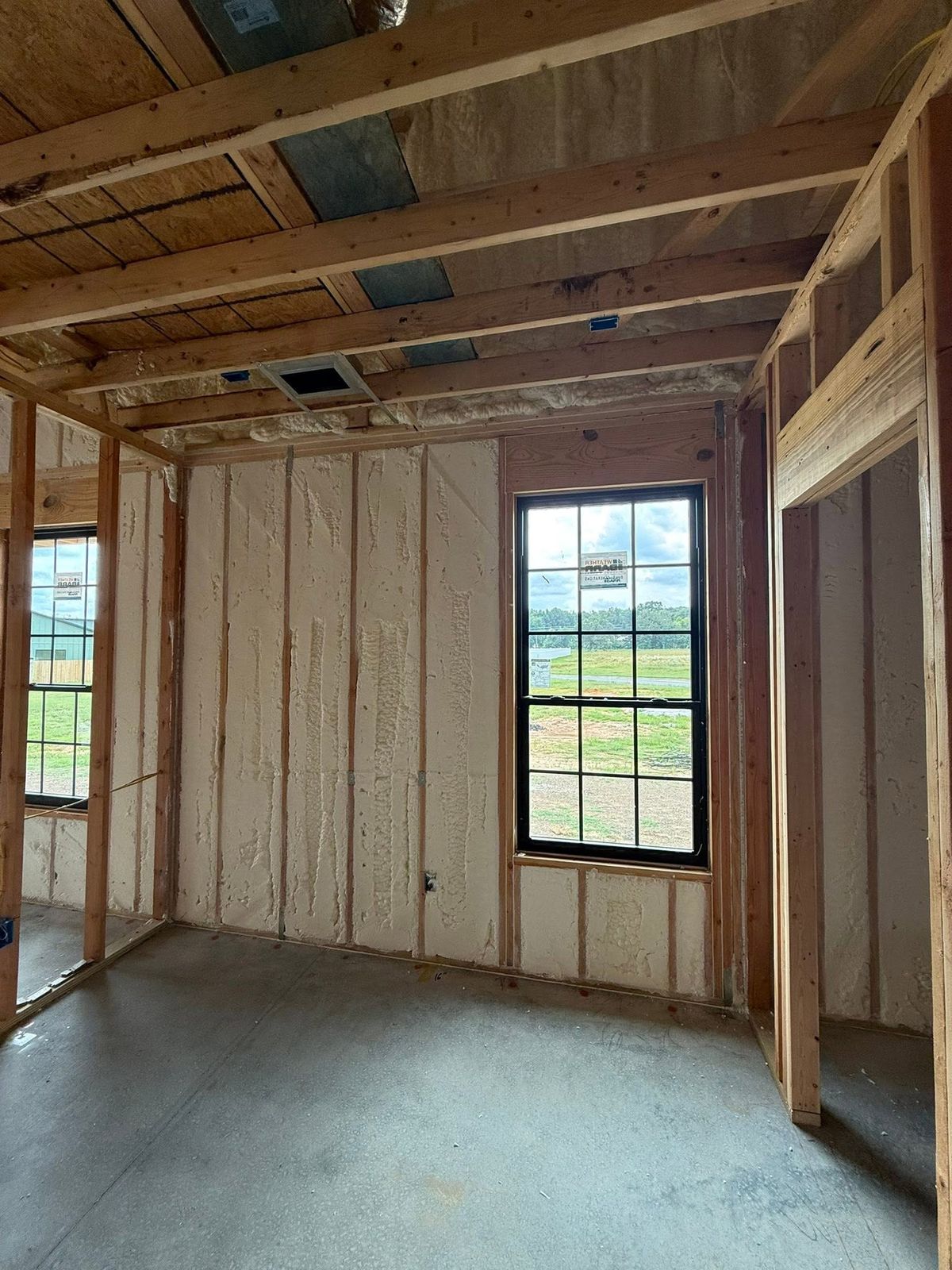
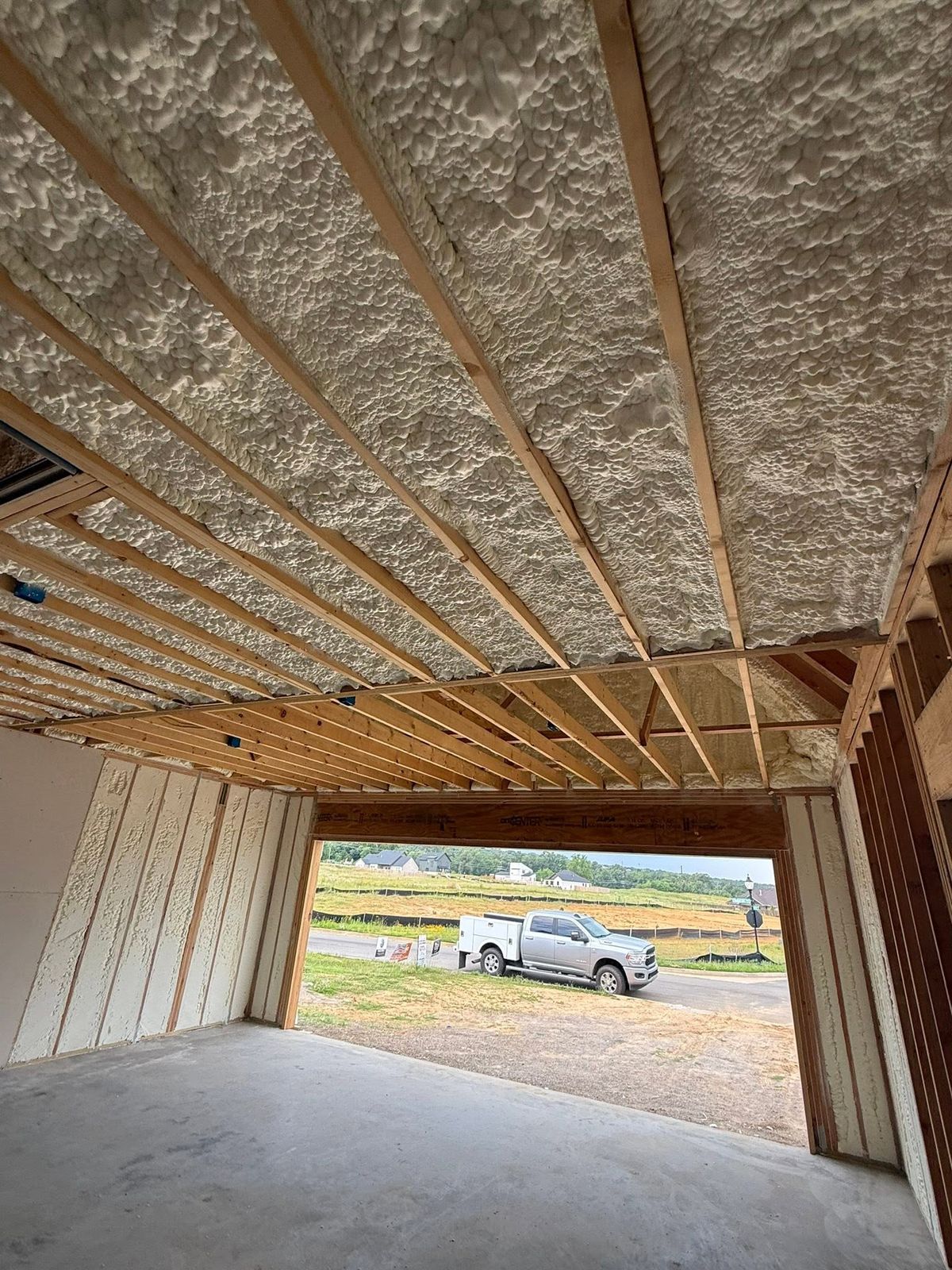
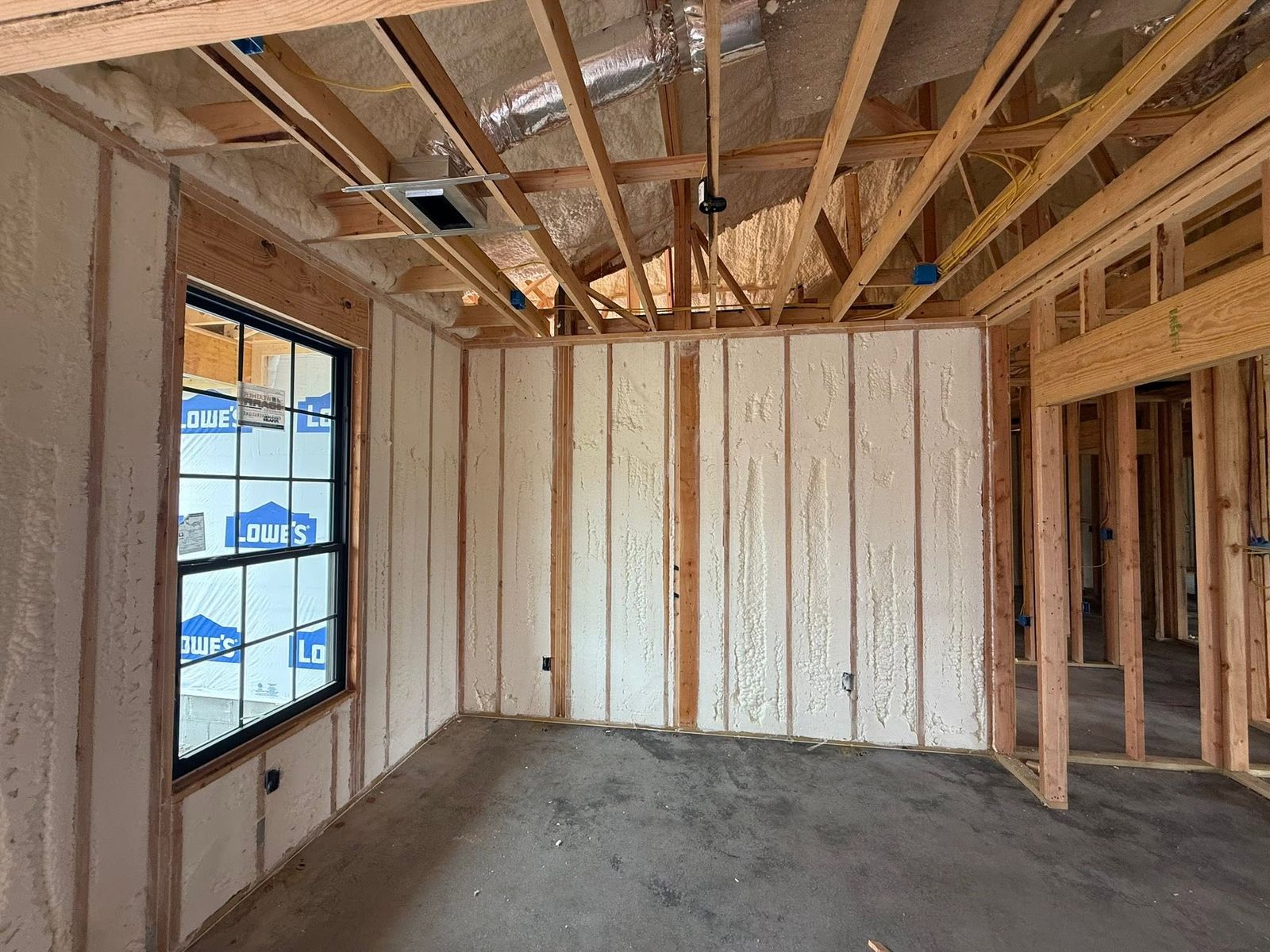
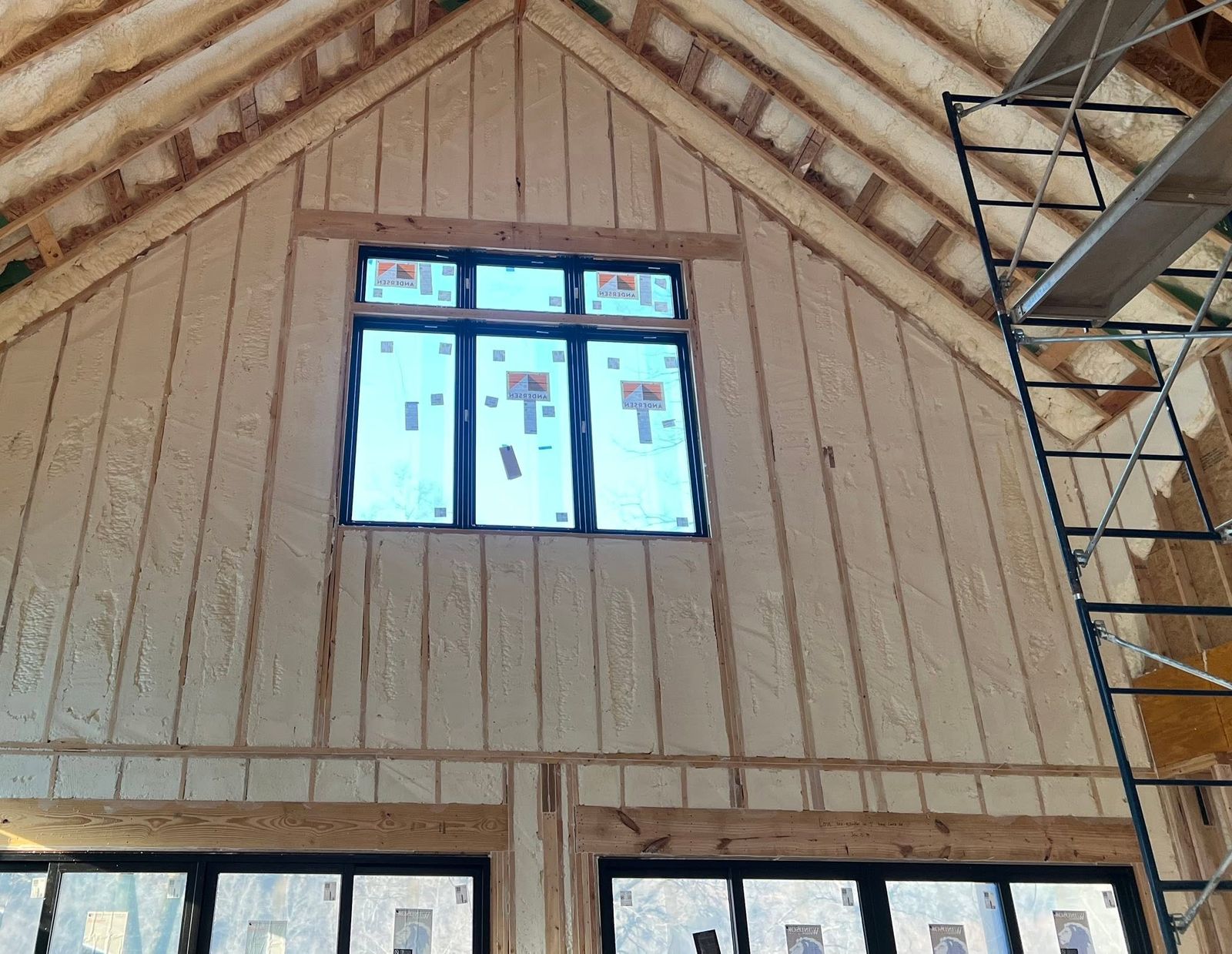
Spray foam does double duty: it insulates and air-seals simultaneously, filling cracks and gaps that other insulation types can miss. It's available in two main types, and we'll help you determine which is right for your project.
What's Included:
- Open-cell spray foam (sound dampening, vapor-permeable, more cost-effective)
- Closed-cell spray foam (higher R-value per inch, moisture-resistant, adds structural rigidity)
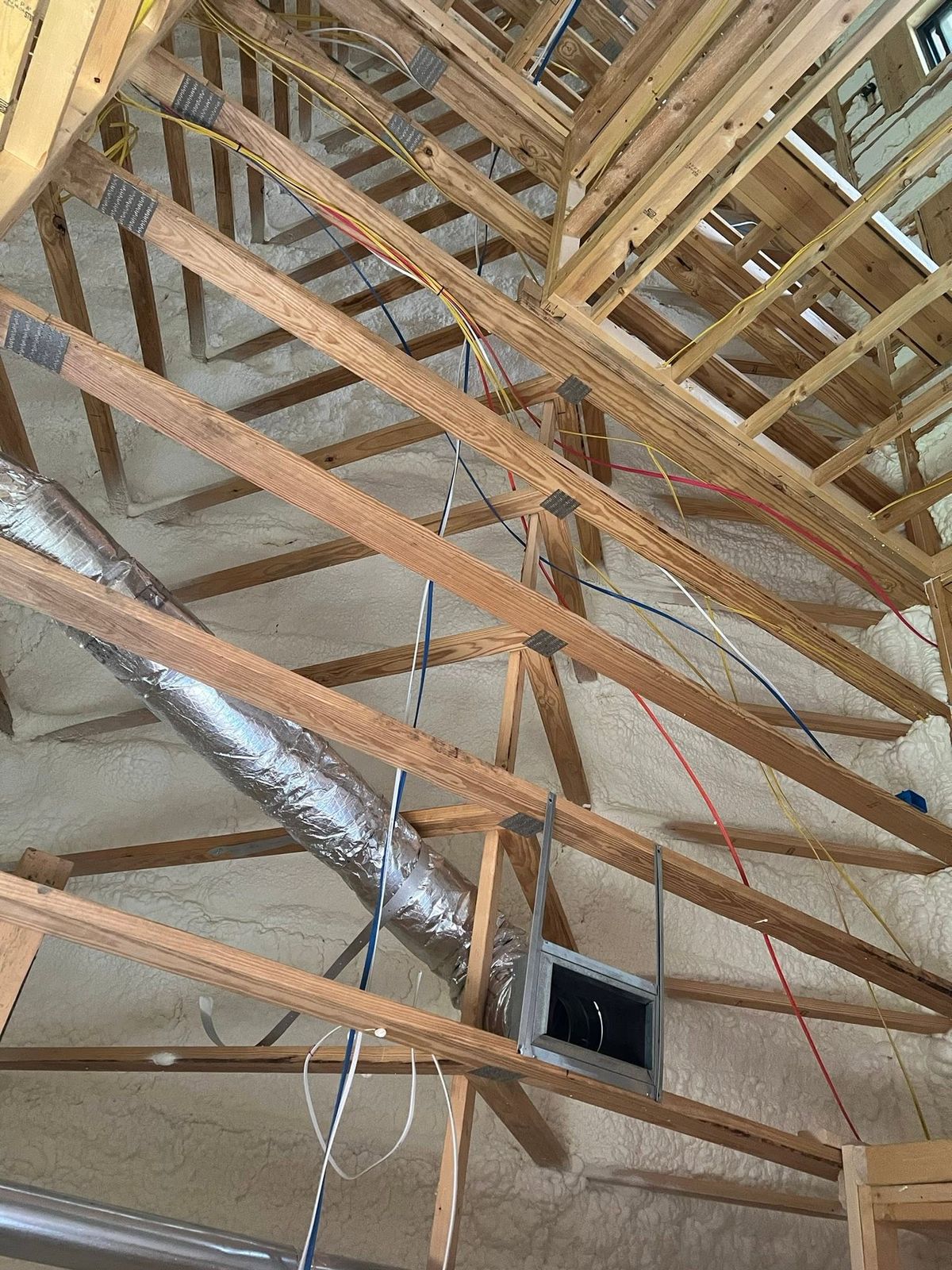
- Attic, crawlspace, basement, and rim joist application
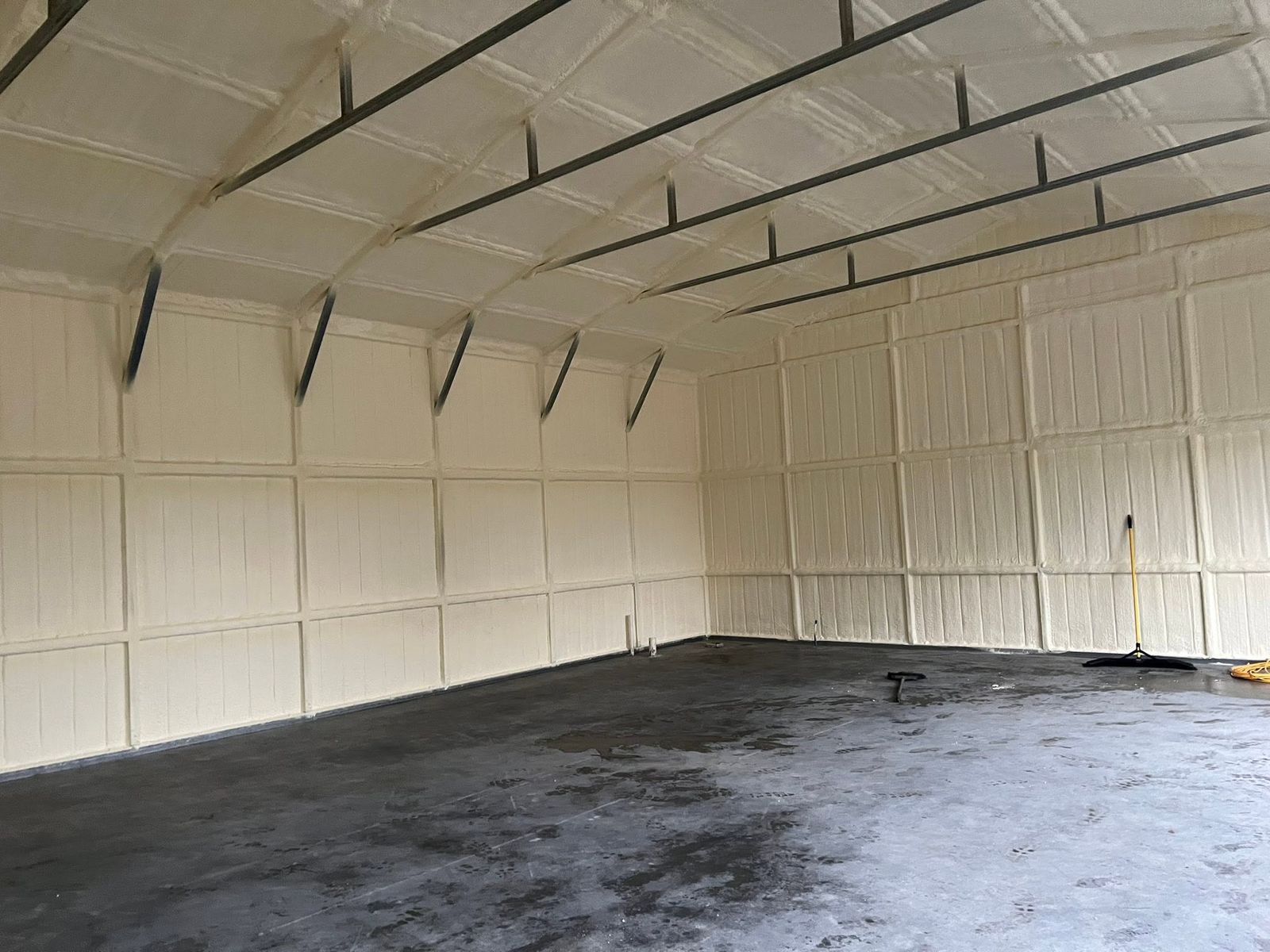
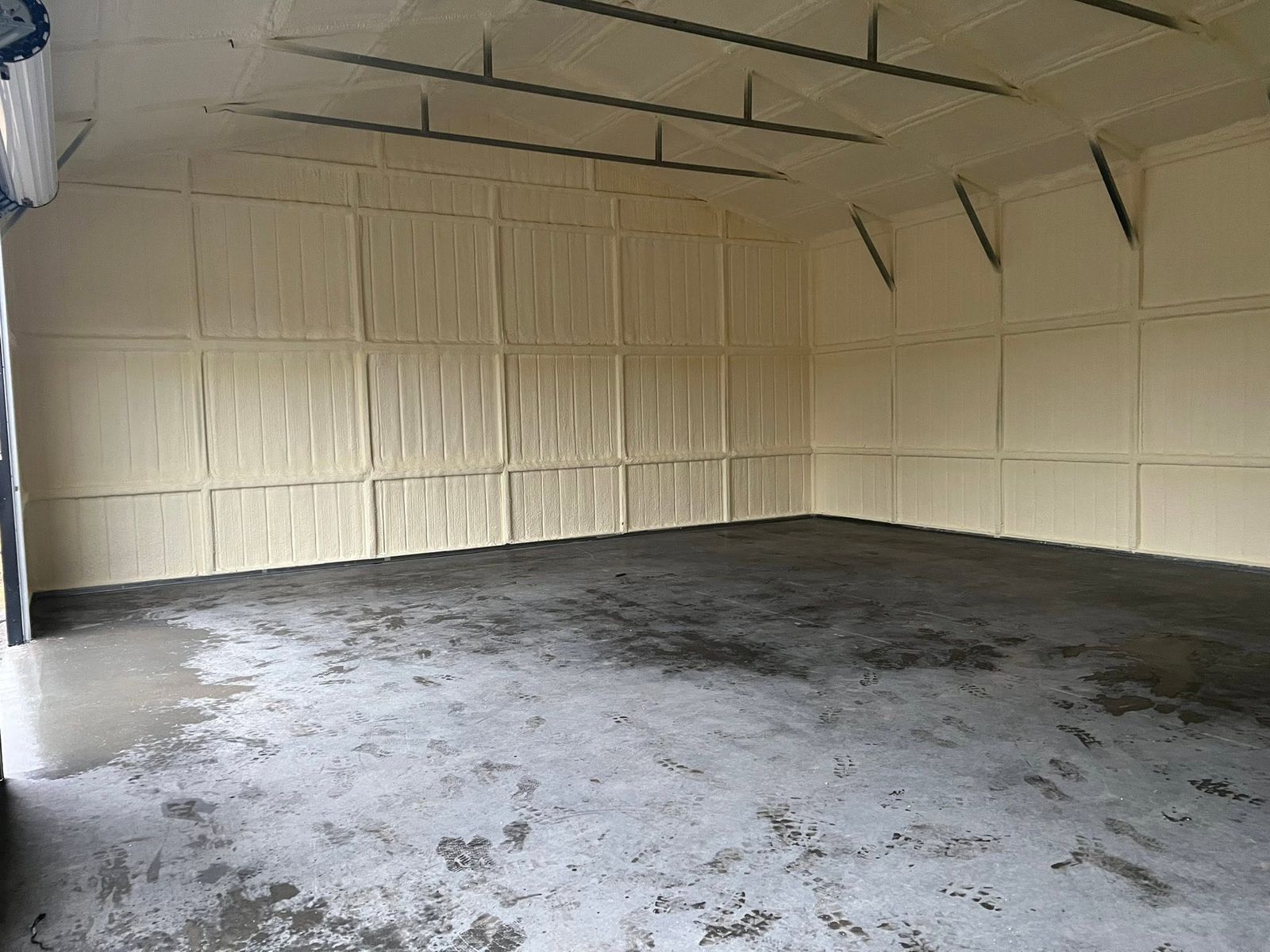
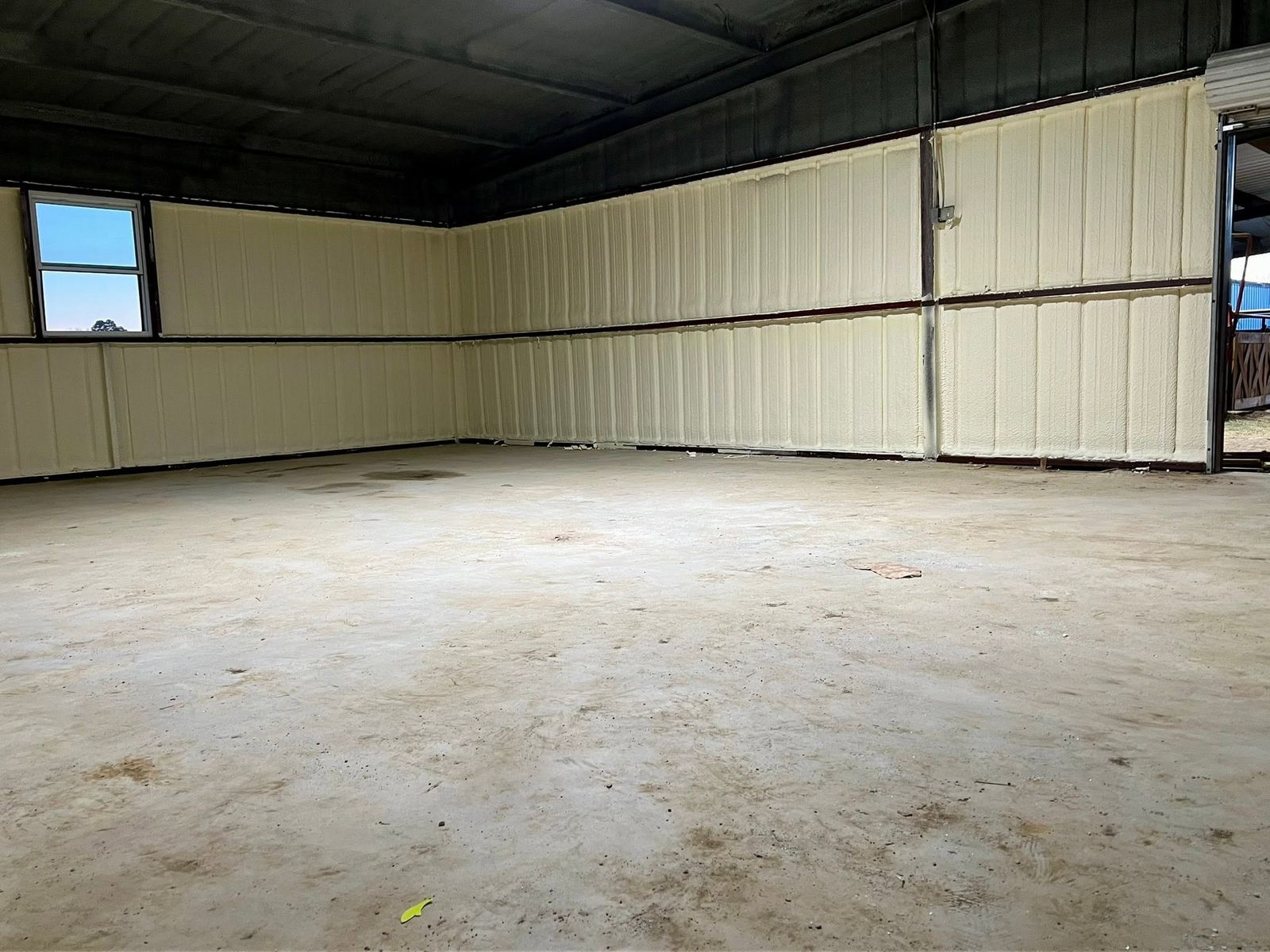
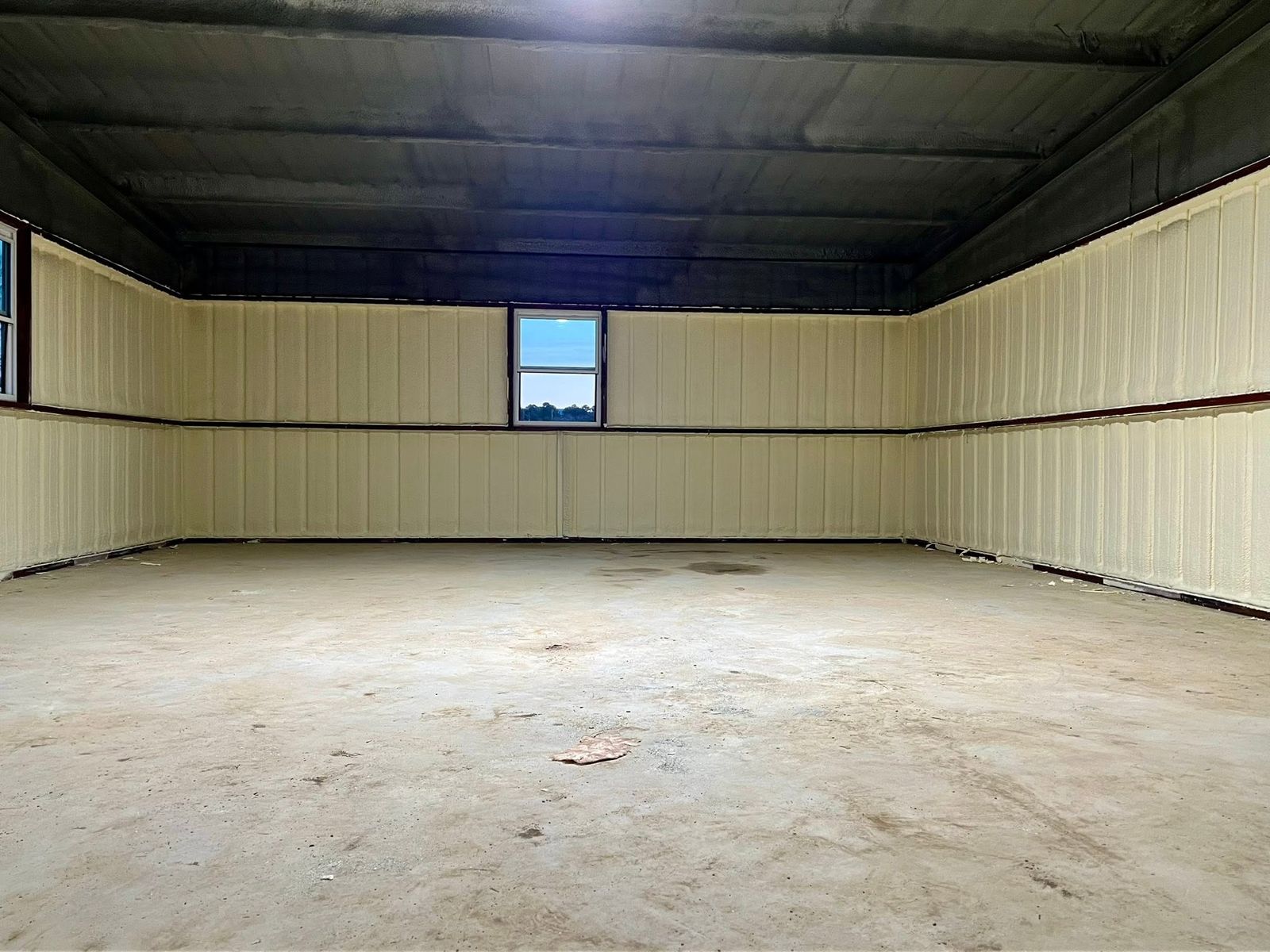
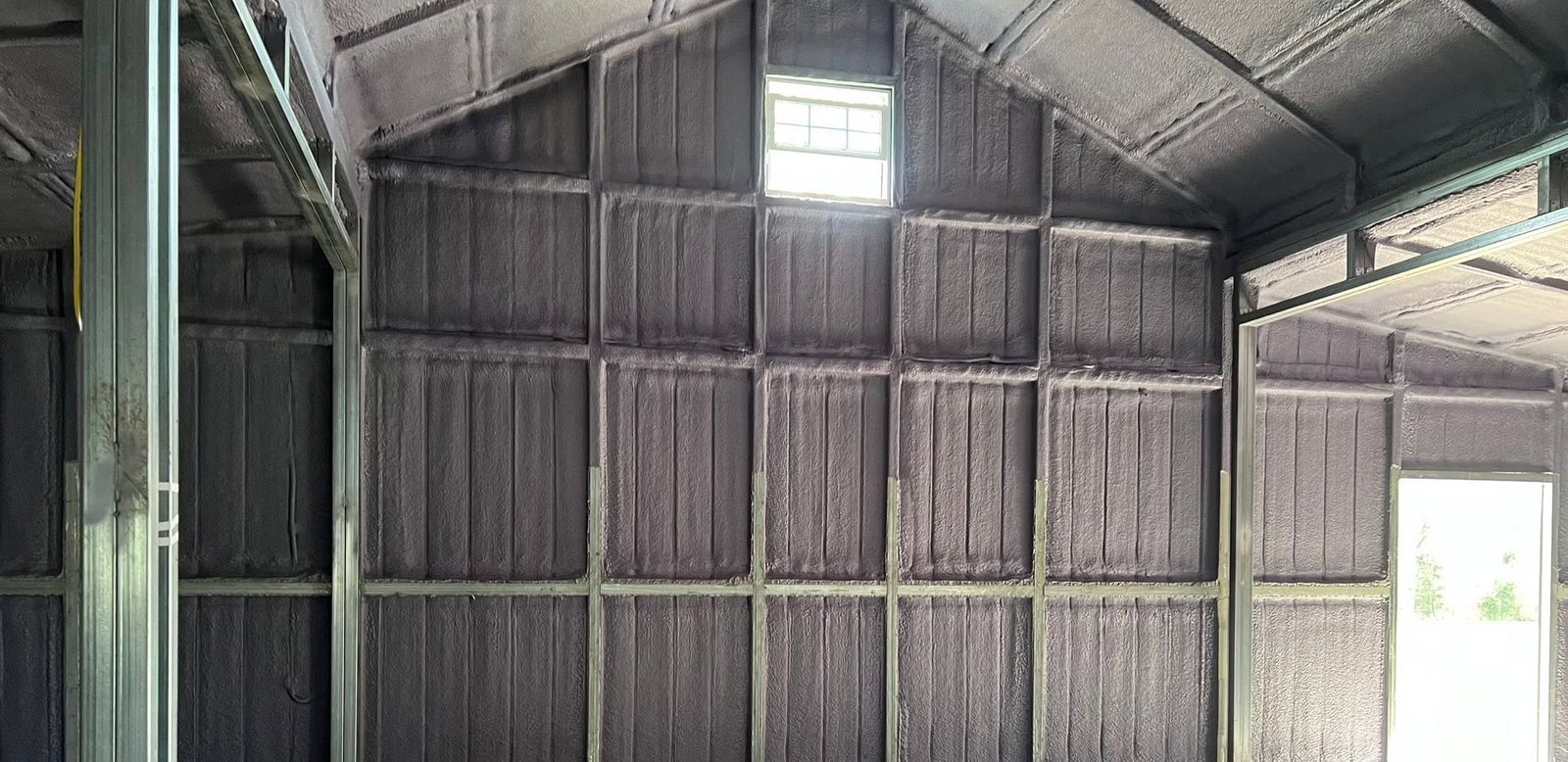
- New construction and metal building applications
- Spray foam removal/correction if a previous installation failed
Best For:
- Crawlspaces and basements prone to moisture
- Rim joists and other common air-leak zones
- Metal buildings and pole barns needing both insulation and condensation control
- Homeowners wanting maximum energy efficiency in a limited space
- Roof decks for conditioned attic spaces
Benefits:
- Air seals as it insulates — reduces drafts and infiltration significantly
- Higher R-value per inch than most other insulation types
- Can add structural strength (closed-cell) and moisture resistance
- Helps control pests and odors by sealing entry points
Get a free spray foam quote.
Not sure which service you need?
Every building is different, and most projects involve a mix of these services working together. Tell us a bit about your space and goals, and we'll recommend the right approach with no pressure and no upsells you don't need.
Our Work
Project Gallery